Loading...
7 Essential Reasons to Challenge the Choquequirao Trek: Beyond the Lost City
Embarking on the Choquequirao Trek is more than just a hike; it is a journey into the soul of the Andes. Often referred to as ‘The Other Machu Picchu’ or the ‘Sacred Sister,’ this ancient site remains one of the most secluded and mysterious archaeological wonders in Cusco, Peru.
Unlike the crowded paths of the Classic Inca Trail, the route to this Last Inca Stronghold is reserved for the truly daring. Exploring this Lost City requires crossing the deep Apurimac Canyon, offering a raw and authentic experience that few travelers ever witness. Whether you are seeking breathtaking mountain vistas or a deep dive into Inca history, Choquequirao delivers a sense of discovery that is hard to find in the modern world
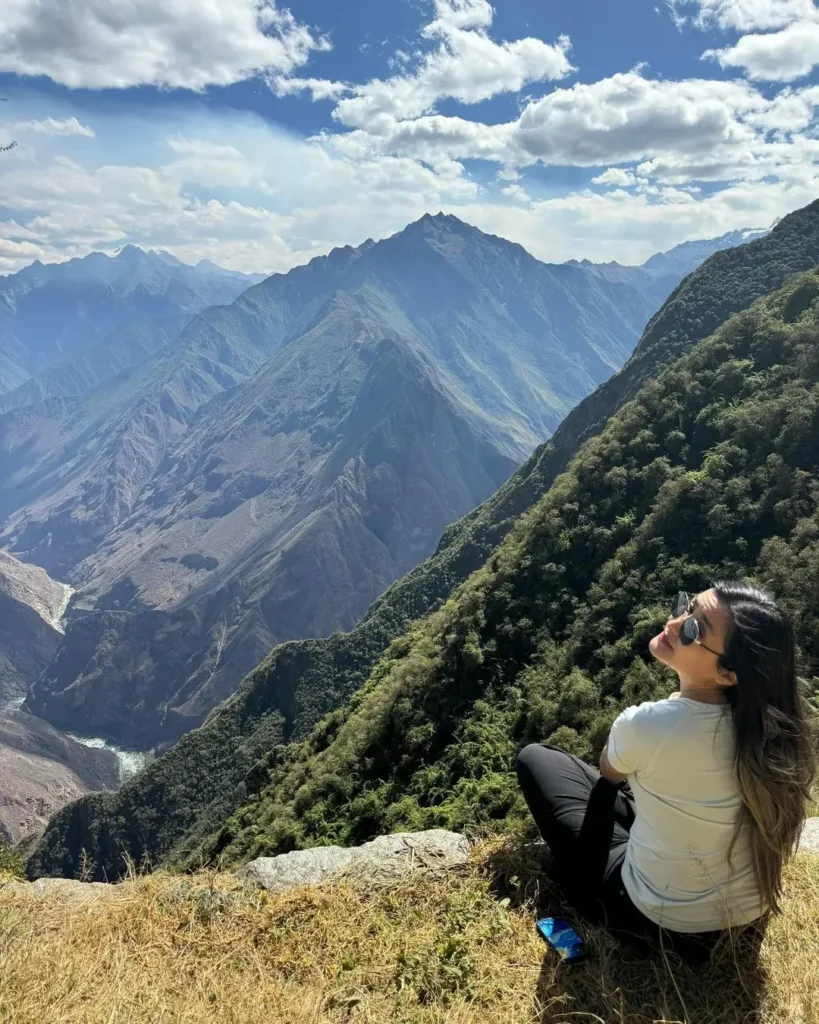
4 days / 3 nights
Choquequirao Treks, Hiking, Adventure
Choquequirao Trekking Adventure
Included:
| | | | | |
| | | | | |
The archaeological place of shockquirao comes to be considered as the last Inca city and one of the most beautiful an...
Started from:
$550
Per person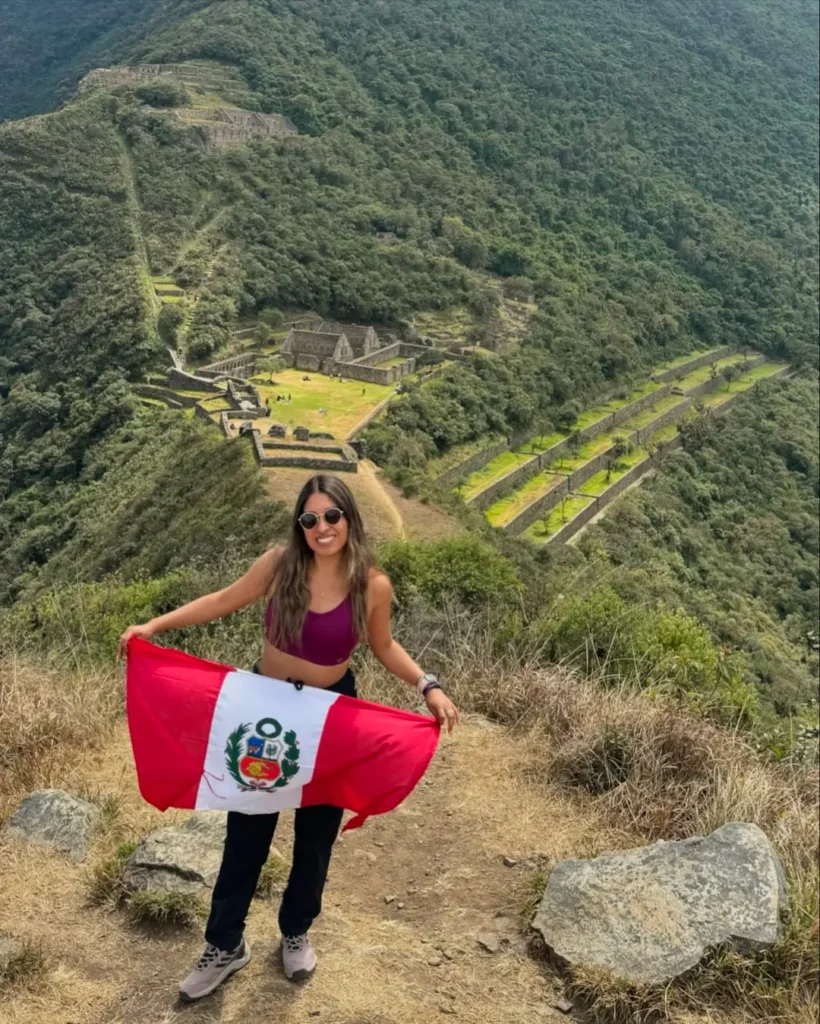
5 days / 4 nights
Choquequirao Treks, Hiking, Adventure
Choquequirao Trekking
Included:
| | | | | |
| | | | | |
The archaeological place of shockquirao comes to be considered as the last Inca city and one of the most beautiful an...
Started from:
$600
Per person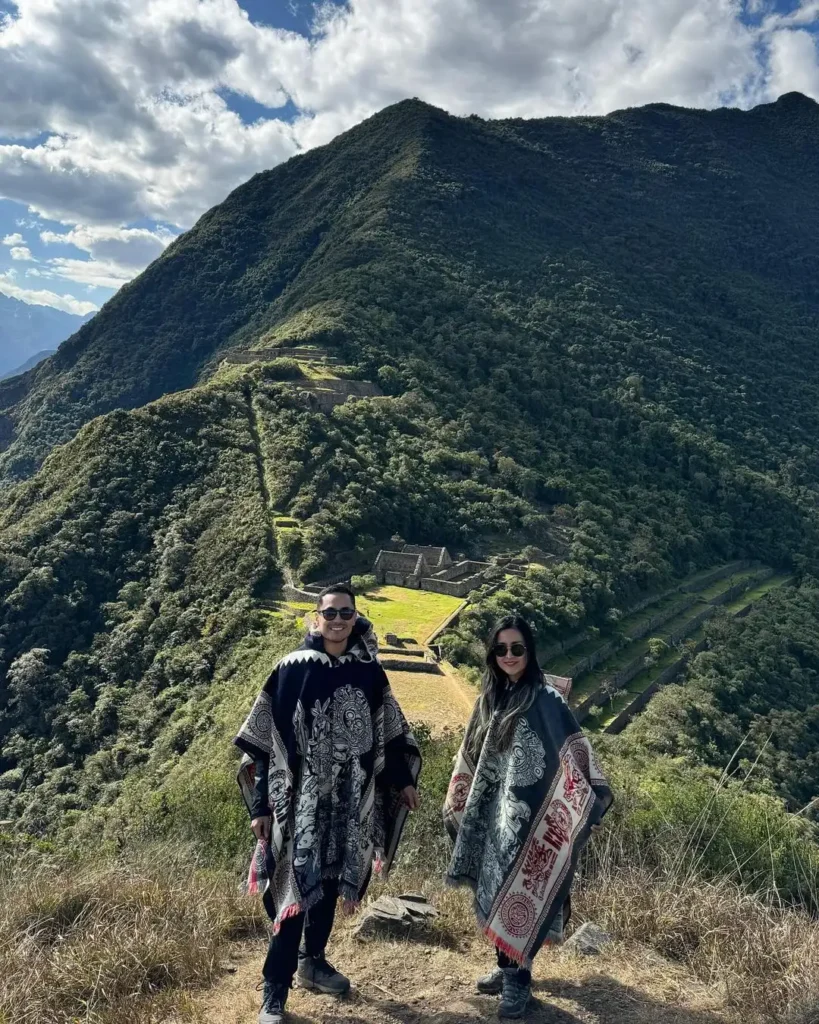
7 days / 6 nights
Choquequirao Treks, Hiking, Adventure
Choquequirao Trek to Machu Picchu
Included:
| | | | | |
| | | | | |
The Inca place of Shockquirao (elevation 3105mt) is located to the north east of Cusco between the Apurimac River and...
Started from:
$990
Per person
The Main Sectors of Choquequirao: Exploring the “Lost City”
Choquequirao is far larger than Machu Picchu in terms of total area, though only about 30% to 40% of it has been excavated. To provide your readers with the best information, here are the key sectors they will encounter:
1. The Main Plaza (Sector I)
This is the ceremonial heart of the complex. Built on two different levels, the plaza is surrounded by fine imperial Inca stonework.
-
What to see: Ceremonial halls, elite residences, and double-jamb doorways.
-
Traveler Tip: This area offers a 360-degree view of the surrounding glaciers and the Apurimac Canyon.
2. The Famous “Llamas del Sol” (Sector VIII)
This is the most iconic and unique feature of Choquequirao, something you won’t even find at Machu Picchu.
-
What to see: 24 figures of llamas depicted in white limestone mosaics, built directly into the dark slate walls of the agricultural terraces.
-
Traveler Tip: These “Stone Llamas” face the direction of the sun and were likely a tribute to the constellation of the Llama.
3. The Ushnu (Ceremonial Platform)
Located at the highest point of a leveled hill, the Ushnu is a truncated pyramid used for religious rituals.
-
What to see: A ritual platform with stunning views of the Apu Padreyoc mountain.
-
Traveler Tip: This was an astronomical observatory where the Incas made offerings to the mountains and the sun.
4. The Hanan (Upper Sector)
This was the high-society residential area where the priests and the nobility lived.
-
What to see: Complex water channels that still function today and high-quality stone masonry.
-
Traveler Tip: Look for the “water fountains” that represent the Inca mastery of hydraulic engineering.
5. The Warehouse Sector or Qolqas (Sector II)
The Incas built these storage units in the upper parts of the city to take advantage of the cool mountain breeze.
-
What to see: Symmetrical, rectangular buildings used to store grain, dried meat (charqui), and textiles.
6. The Paqchayoq Terraces
These are massive agricultural terraces that seem to drop into the abyss of the cloud forest.
-
What to see: A sophisticated irrigation system and small houses for the workers (Mitimaes).
Summary of Sectors for Your Trip
-
Must-See Highlight: The “Llamas of the Sun” (Sector VIII).
-
Total Exploration Time: You need at least one full day inside the park to see all these sectors comfortably.
-
Architecture Style: Imperial Inca style using local slate and mud mortar.
-
Experience Level: Be prepared for steep stairs between sectors; the verticality of Choquequirao is legendary.
Why Our Travelers Recommend Us Google Reviews Okidoki Travel Peru
Best Destinations in Peru – Adventure – Trekking
Discover all the details of original inka trail here Okidoki Travel Peru
Peru Destinations: The Best Places to Visit in Peru. There are more than 446 tourist attractions that have sanitary protocols for the prevention of Covid 19 in Peru, approved by bio-safe tourist destinations in Peru, for example: Travel Machu Piccho by train / bus, Original Inca Trail to machupicchu, Inca Trail + Ancascocha, classic Salkantay trekking, Inca jungle trail, Travel Cusco, Sacred Valley Tour, Rainbow mountain, Humantay lake, 7 lakes ausangate, Travel Arequipa, Valle and Colca Canyon, Central Jungle, Paracas, Ica, Nasca, Travel Puno – Lake Titicaca, Tambopata Tour, Manu Tour, Cordillera Blanca and many travel destinations throughout Peru – Tour Operator.
Sites and Places: Your Guide to Knowing Where We Go?
Stop planning, start exploring. Your next adventure begins here. Get the smart guides.
Beyond the tourist track: We are your gateway to unparalleled experiences in Peru. Find out why thousands of travelers have given us excellent ratings on TripAdvisor and Google. Our specialty is the Salkantay Trek, offering a unique adventure with exclusive overnight stays at our Soraypampa Sky Lodge, where an unforgettable star show awaits you, surrounded by the majestic Andes mountains. Choquequirao Trekking – Adventure
 BLOG
BLOG
Machu Picchu Tickets 2026: Official Guide & Availability
Get your Machu Picchu Tickets for 2026! 🎟️ Check official availability, explore new circuits, and find the best time ...
Reed travel BLOG
BLOG
Moray – The Inca Agricultural Laboratory
Explore Moray, the Inca archaeological site in the Sacred Valley, known for its circular terraces and innovative agri...
Reed travel BLOG
BLOG
Chinchero – The Land of Weavers
Discover Chinchero, a traditional Andean village known for its skilled weavers, vibrant textiles, and rich Inca herit...
Reed travel BLOG
BLOG
Ollantaytambo – The Living Inca Town
Explore Ollantaytambo, a living Inca town in Cusco’s Sacred Valley, known for its ancient fortress, stone terraces, a...
Reed travel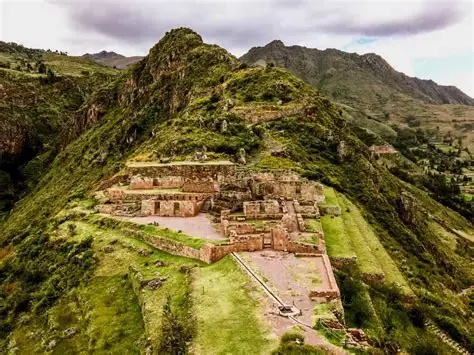 BLOG
BLOG
Pisac: Gateway to the Sacred Valley Guide (Ruins and Market)
Discover Pisac, the gateway to Cusco’s Sacred Valley, famous for its Inca ruins, traditional markets, and stunning mo...
Reed travel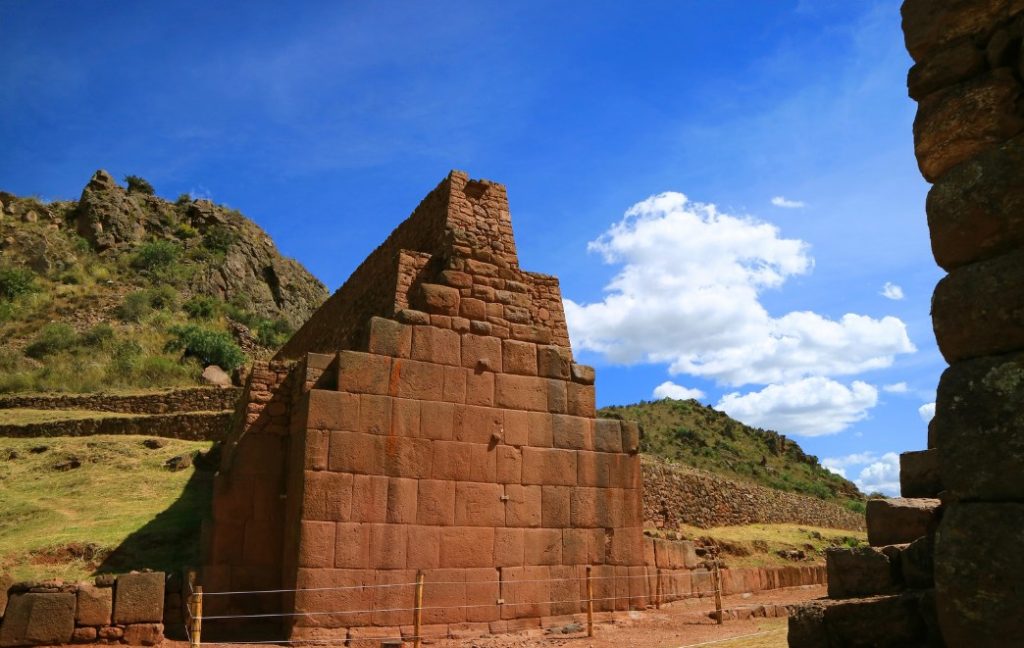 BLOG
BLOG
Pikillaqta: Guide to the Pre-Inca City in the South Valley of Cusco
Explore Pikillaqta, the impressive Wari city in the South Valley of Cusco. In this guide, we cover history, prices, a...
Reed travel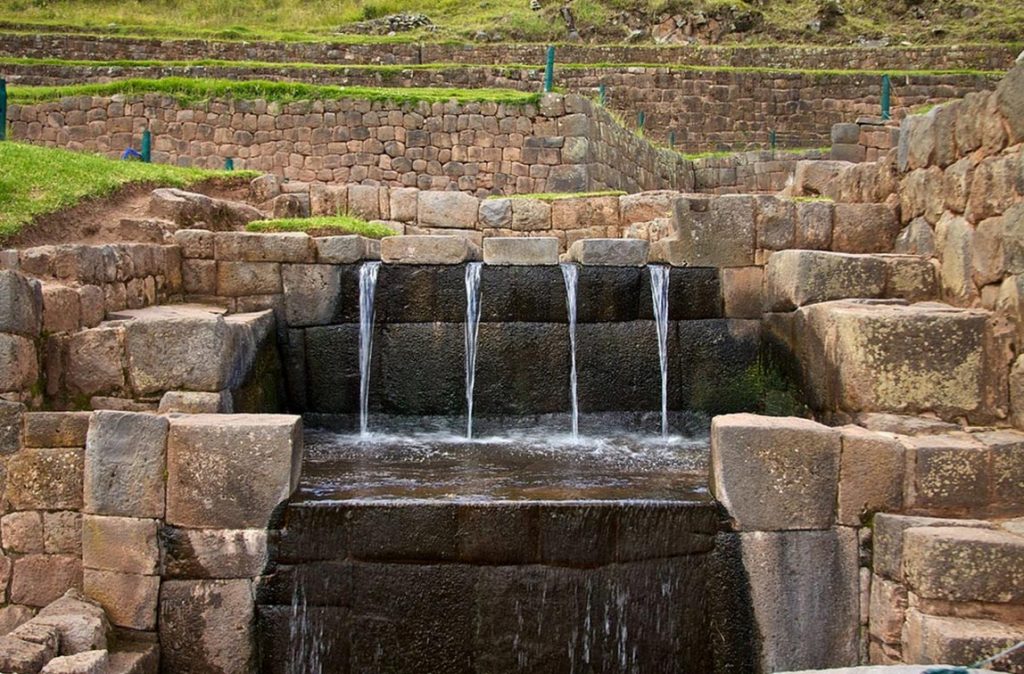 BLOG
BLOG
Tipon: The Inca’s Hydraulic Masterpiece
Discover Tipon, the Inca’s hydraulic masterpiece near Cusco. In this guide, we explore its sacred water fountains and...
Reed travel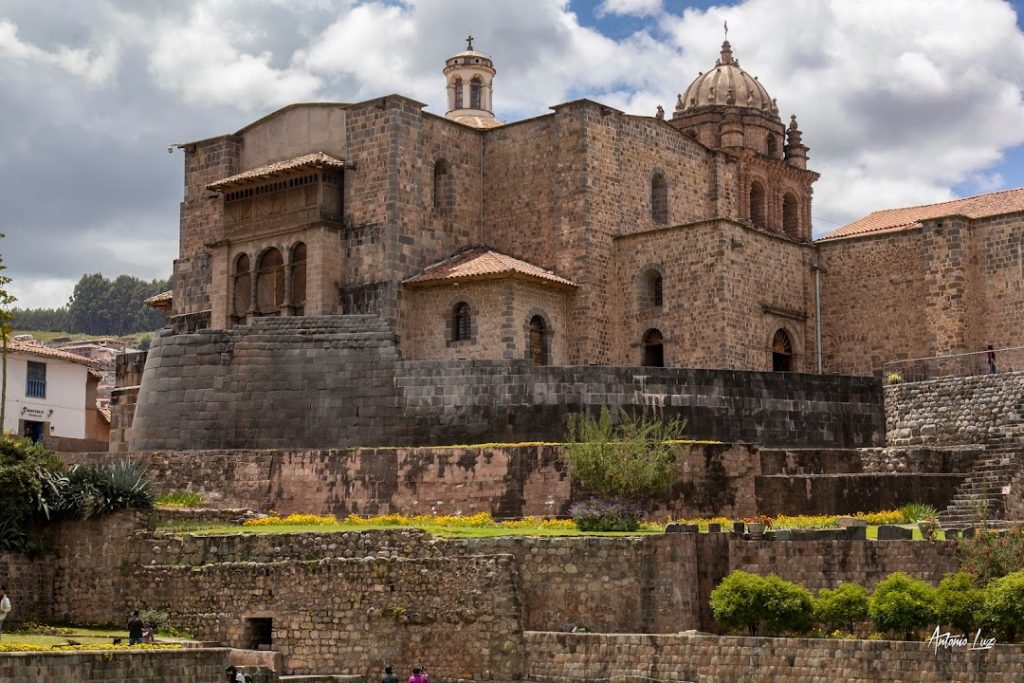 BLOG
BLOG
Qorikancha Cusco: Complete Guide to the Museum and Gardens
When visiting Cusco, one of the most fascinating stops you cannot miss is the Museum and Gardens of Qorikancha. Known...
Reed travel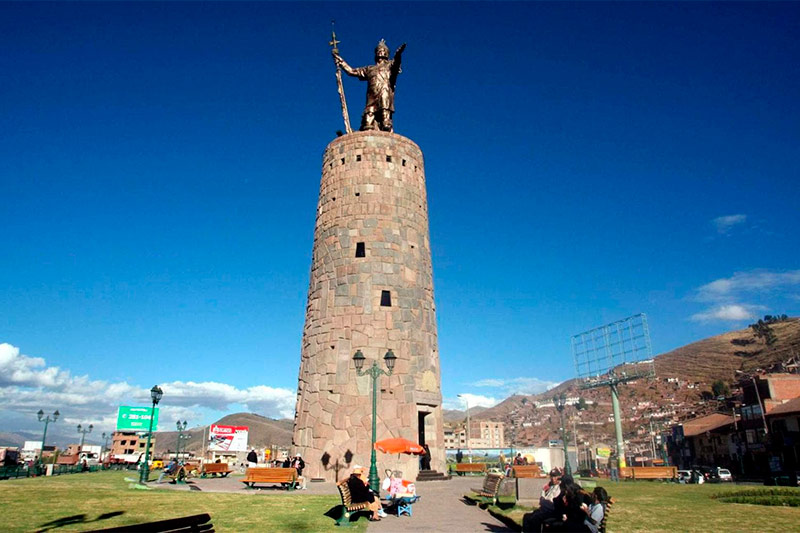 BLOG
BLOG
Monument to Pachacuti in Cusco: Guide, Prices and What to See
The Monument to Pachacuti is one of the city's most important cultural landmarks. First and foremost, this imposing s...
Reed travelThe Inca archaeological site of Choquequirao is known as “The Sacred Sister of Machu Picchu” due to the similarity between both Inca sites. Currently, the only way to get to this place is through a trekking route of 4 days, 5 days, 6 days or more.
What does Choquequirao mean? Choquequirao is a Quechua word that means ‘Cradle of Gold’. The name comes from the name of a hill near the archaeological site.
Frequently Asked Questions (FAQs) – Choquequirao Trek
What is the Choquequirao Trek and why is it famous?
It is a high-endurance hiking route that leads to the “Sacred Sister” of Machu Picchu. In fact, it is famous for being much more secluded and challenging, offering a raw look at the Last Inca Stronghold without the massive crowds.
How difficult is the trek to Choquequirao?
Undoubtedly, this is considered one of the hardest treks in Peru. The trail involves steep descents and grueling ascents through the Apurimac Canyon; therefore, a high level of physical fitness is required to complete it successfully.
How many days does the Choquequirao Trek usually take?
The classic round-trip route typically takes 4 days and 3 nights. However, many hikers choose a 5-day itinerary to explore the ruins more deeply or even a 9-day trek that connects Choquequirao with Machu Picchu.
What is the best time of year to hike to the Lost City?
The ideal time is during the dry season, from May to October. During this period, the weather is stable and the trails are safer, unlike the rainy season when landslides can occur in the canyon.
Do I need a permit or a guide for the Choquequirao Trek?
Unlike the Classic Inca Trail, you do not need a special permit months in advance. Nevertheless, hiring a professional guide is highly recommended due to the complexity of the terrain and the lack of signage in certain areas.
What is the maximum altitude reached during the hike?
The highest point on the standard trek is the Capuliyoc pass, at approximately 2,900 meters, while the ruins sit at 3,050 meters. Even so, the constant change in elevation (dropping to 1,500m and climbing back up) is what makes it taxing.
Can I do the Choquequirao Trek without a tour agency?
Yes, it is possible to do it independently if you are an experienced hiker. On the other hand, you must be prepared to carry your own gear, food, and water, or hire mules from local families in Cachora.
Is there an entrance fee for the archaeological site?
Indeed, there is an entrance fee (approximately 60 soles or $16 USD). You can pay this at the checkpoint located near the ruins. Please note that this fee is usually included if you book through a reputable agency.
Where does the trek officially begin?
The most common starting point is the village of Cachora, located about 4 hours by car from Cusco. From there, you begin the descent toward the Apurimac River.
Are there campsites and toilets along the trail?
Fortunately, there are designated campsites managed by local families, such as Chiquisca and Santa Rosa. Most of them offer basic toilets and cold showers for a small fee.
What should I pack for this expedition?
Essentially, you need high-quality trekking boots, a warm sleeping bag, sun protection, and plenty of electrolyte powder. Additionally, a pair of trekking poles is vital to protect your knees during the steep descents.
Are there horses or mules available to carry luggage?
Absolutely. Most hikers hire “arrieros” (muleteers) in Cachora to carry the heavy camping equipment. This not only supports the local economy but also makes the trek much more manageable.
Is there drinking water available on the route?
There are small shops at the campsites selling bottled water. However, to be more sustainable, we recommend using purification tablets or a LifeStraw to treat water from the local streams.
How does Choquequirao compare to Machu Picchu?
While Machu Picchu is more architecturally “finished,” Choquequirao is much larger in total area. Furthermore, only about 30% of the site has been excavated, giving it a mysterious “Lost City” vibe.
Is it safe to hike to Choquequirao in 2026?
In general, it is very safe as long as you respect the mountain and follow the trail. By the same token, always check for local weather updates and trail conditions before starting your journey.