The Inca civilization is one of history’s most intriguing cultures. Their achievements in architecture, agriculture, and administration were remarkable. Discover the fascinating facts and insights about the Incas and their legacy.
The Incan Empire, at its height, stretched over 2,500 miles. Their society was highly organized and efficient, with intricate road systems. Learn how their innovations continue to impact our world today.
Explore the rich history and culture of the Incas through these captivating details. Their influence extends beyond ancient history, shaping modern perspectives. Delve into the world of the Incas and uncover their enduring significance.

Architectural Marvels: The Incan Engineering Genius
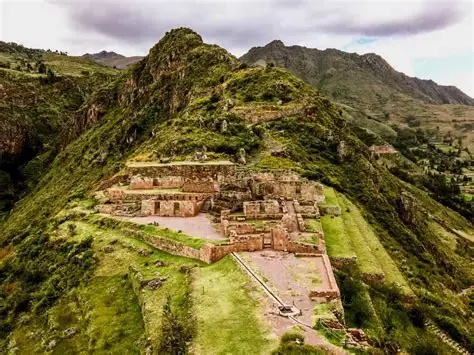
The Incan Empire, renowned for its engineering prowess, left behind a legacy of stunning architectural feats. The Incas built with precision and creativity, crafting structures that have stood the test of time. Exploring these achievements reveals intriguing facts about the Incas and their innovative methods.
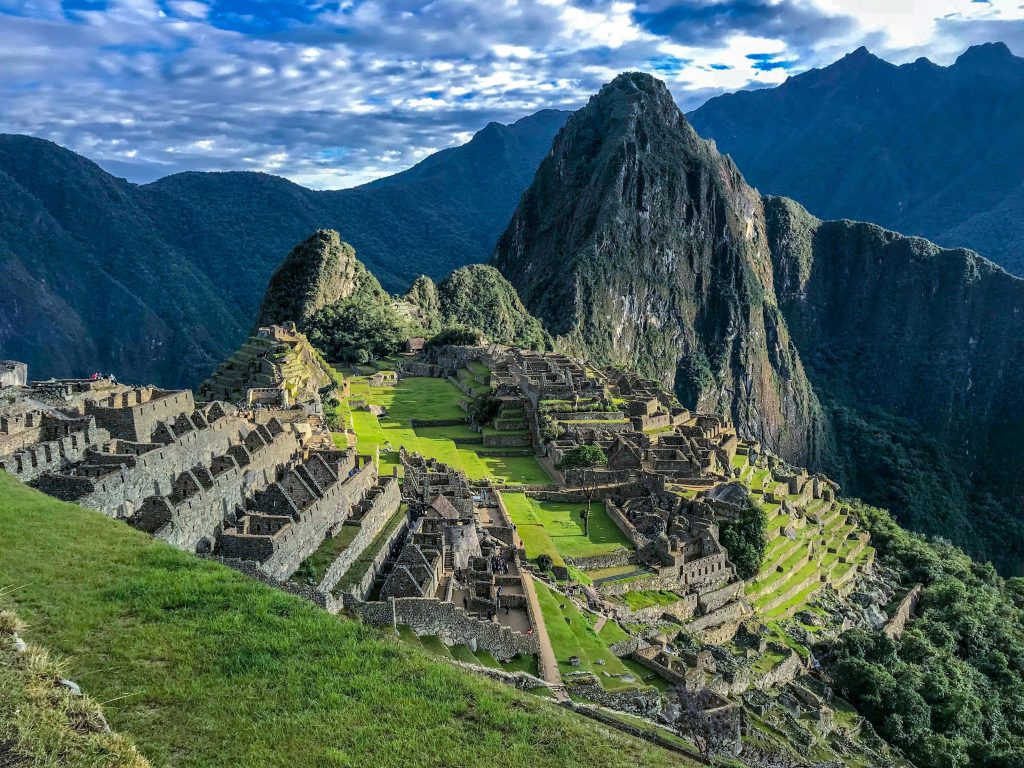
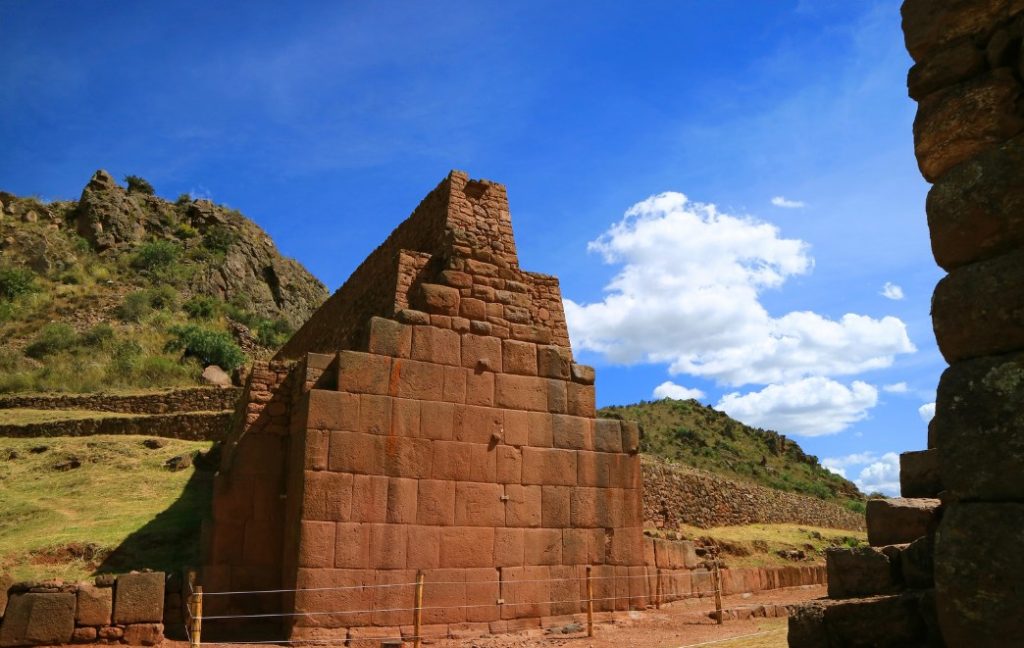
Machu Picchu stands as a testament to Inca architectural brilliance. Perched high in the Andes, this ancient city exemplifies their mastery of stone construction. The intricate stonework and terracing demonstrate their advanced understanding of engineering and agricultural practices.
Inca Road System: Connecting a Vast Empire
The Inca road system, an engineering marvel, spanned over 25,000 miles. This vast network facilitated communication, trade, and military movement across the empire.Engineers meticulously constructed the roads, carving bridges and tunnels through challenging terrain.
These roads were crucial for maintaining the empire’s unity and efficiency. The Inca rulers utilized this infrastructure to exert control and integrate diverse regions. This system highlights the sophistication and strategic thinking behind Inca engineering.
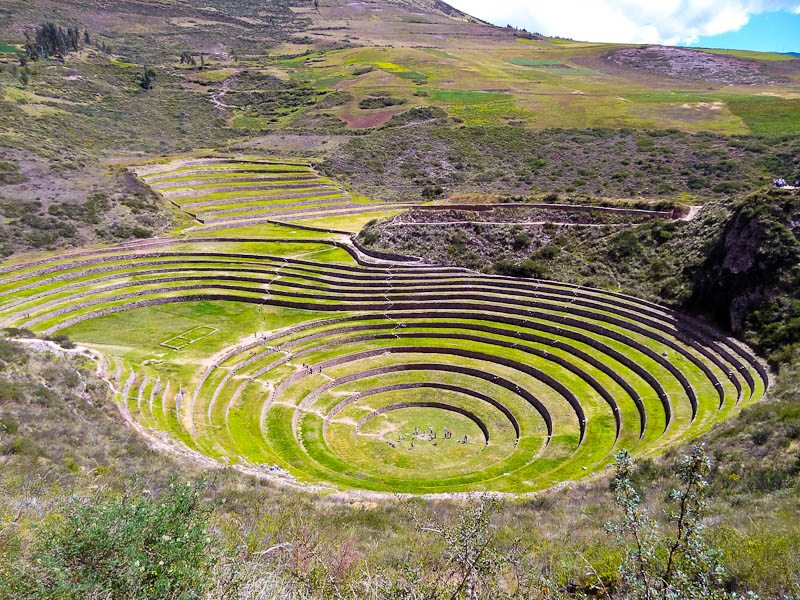
The Inca’s use of terraces for agriculture is another fascinating aspect of their engineering genius. They transformed steep mountain slopes into productive farmland, maximizing space and resources. These terraces prevented erosion and optimized crop yields, showcasing their advanced agricultural techniques.

Stone Masonry and Religious Significance
Inca stone masonry remains unmatched in its precision and durability. Their ability to carve and fit stones without mortar is a testament to their skill. Many of their buildings, like the Sacsayhuamán fortress, served both functional and religious purposes.
The Incas linked their architecture closely with their religious beliefs. They designed temples and centers like Qorikancha to match their spiritual views. Aligning structures with astronomical events highlights the importance of religion in their daily life.
The Incas also employed a unique written language of knotted strings called quipu. These quipus recorded important information and administrative details. This method reflects the complexity and efficiency of Inca governance and communication.
The Incas’ buildings show their impressive engineering skills and deep connection to their environment and beliefs. The facts about the Incas, from Machu Picchu to their road system, still amaze and inspire today’s scholars and travelers.
The legacy of their achievements endures, offering a glimpse into a society that blended practicality with profound cultural significance.
Agricultural Innovations: How the Incas Transformed Farming

The Incas revolutionized agriculture with innovative techniques that supported their vast empire. They adapted to diverse environments, from high mountain slopes to arid valleys. These agricultural practices were crucial for sustaining the empire’s large population and complex society.
The Incas implemented advanced terracing to maximize arable land on steep slopes. They carved terraces into mountain sides, creating flat areas for farming. This method prevented soil erosion and improved crop yields, showcasing how aspects of Inca culture influenced their agricultural success.
Advanced Irrigation and Crop Diversity
Irrigation played a vital role in Incan agriculture, allowing them to grow crops in varied climates. The Incas constructed intricate canal systems to channel water to their fields. This innovation ensured a stable food supply even in regions with irregular rainfall.
The Inca Empire’s ability to cultivate a wide range of crops demonstrated their agricultural expertise. They grew potatoes, quinoa, and maize, which were staples in their diet. The strategic cultivation of these crops provided a diverse and reliable food source for the empire.
Farming Techniques and Crop Preservation
The Incas also used crop rotation to maintain soil fertility and prevent disease. They alternated different crops in the same fields to replenish nutrients. This practice reflects their deep understanding of sustainable farming methods.
Storage techniques were equally impressive, as they developed methods to preserve surplus crops. The Incas built large storage facilities called colcas to keep food supplies safe from spoilage. These granaries ensured that they could weather periods of scarcity and support their growing population.
The Incas combined farming with their religious beliefs.They held festivals and ceremonies to honor their gods and get good harvests.This shows how their religion connected to farming.
In summary, the facts about the Incas reveal a society that excelled in transforming agriculture through creativity and ingenuity. Their advancements in terracing, irrigation, and crop management played a crucial role in their success.
By blending practical techniques with cultural and religious elements, the Incas created a sustainable agricultural system that supported their empire for centuries. These fascinating aspects of Inca culture continue to influence modern agricultural practices and inspire awe.

Cultural Legacy: Understanding Incan Society and Beliefs
The Incan civilization, renowned for its impressive achievements, had a rich cultural legacy that shaped their society. The facts about the Incas reveal a complex society deeply rooted in traditions and beliefs. Exploring their social structure, religion, and rituals provides insight into how they maintained their vast empire.
Incan society was highly organized, with a clear hierarchical structure. At the top was the Sapa Inca, a divine ruler with complete authority. The Sapa Inca was crucial to both governance and religion, linking politics and spirituality.
Religion and Rituals: The Core of Incan Beliefs
Inca religion was integral to their daily life and governance. They worshiped a pantheon of deities, with Inti, the sun god, holding supreme importance. Religious ceremonies often involved offerings and rituals to ensure divine favor and maintain cosmic order.
The Incas performed human sacrifices in ceremonies to please their gods.They took these sacrifices very seriously, showing their strong religious beliefs. The facts about the Incas show that these rituals aimed to keep natural and social order.
Social Structure and Community Life
Incan society was organized into ayllus, or extended family groups, which formed the backbone of their community. Each ayllu worked together in farming and shared resources, fostering a sense of communal responsibility. This structure ensured stability and cohesion within the empire.
Incan society highly valued education and knowledge.They used quipus, knotted strings, for record-keeping and communication. Although they lacked a written language, these knotted strings effectively managed administrative tasks and preserved important information.
Cultural Legacy and Spanish Conquest

Lake Titicaca, a sacred site for the Incas and linked to Manco Capac, still symbolizes their lasting legacy. It was central to their creation myths and religious practices. Understanding the cultural legacy of the Incas helps us appreciate their sophisticated civilization and its lasting impact.
The Spanish conquest led by Francisco Pizarro changed Incan society dramatically. The arrival of the Spanish caused the fall of the Inca Empire and the loss of many cultural practices. Despite this, many interesting facts about the Incas persist, influencing modern cultures and traditions in the Andean region.
In summary, the Inca culture shows a society full of beliefs, social structure, and traditions. The Incas skillfully combined governance and religion, leaving a lasting impact despite the Spanish conquest. Their social structure and spiritual practices still interest and teach people today.