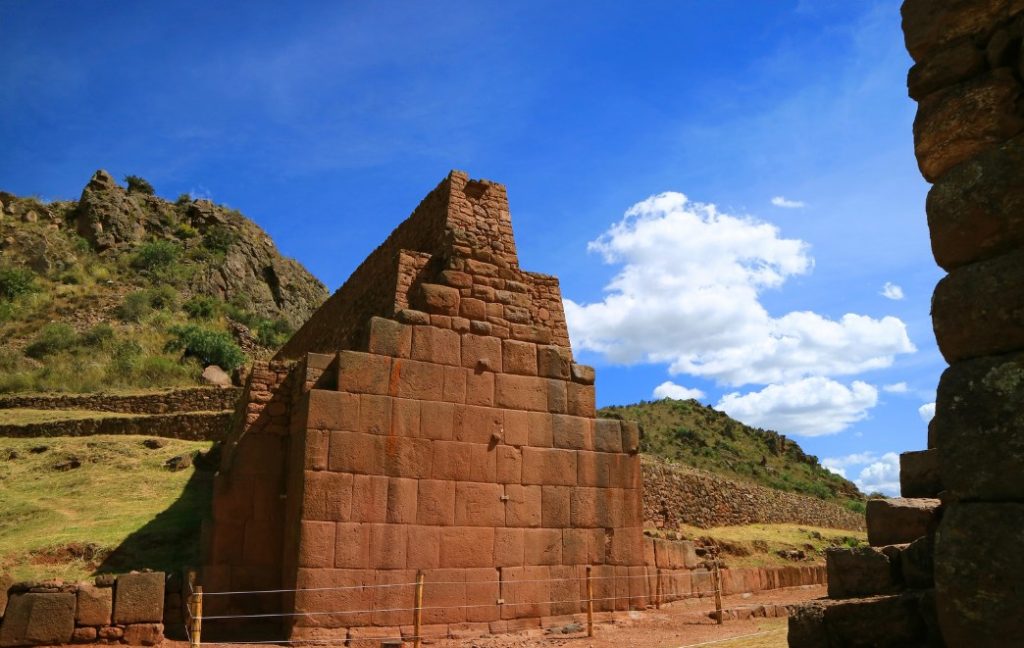
When visiting Cusco, one of the most fascinating stops you cannot miss is the Museum and Gardens of Qorikancha. Known as the Temple of the Sun, Qorikancha was once the most sacred and majestic temple When you walk through the historic streets of Cusco, it’s impossible not to feel the energy of an ancient civilization still alive in its walls, streets, and people. Among the many treasures of the city, one stands out as both mystical and monumental: the Qorikancha, also known as the Temple of the Sun. Today, this site houses not only the remnants of one of the most sacred temples of the Inca Empire but also a fascinating museum and peaceful gardens that together narrate centuries of history.
If you are planning your trip to Cusco, visiting the Qorikancha Museum and Gardens is a must. Here’s everything you need to know about its history, significance, and why it should be on the top of your list.
🌞 The Sacred Origins of Qorikancha
In the Quechua language, Qorikancha means “Golden Temple” (Qori = gold, kancha = temple/enclosure). According to chronicles, during the height of the Inca Empire, the walls of this temple were once covered with gold sheets that reflected the light of the sun, making the structure shine magnificently.
The Qorikancha was considered the most important religious site of the Incas, dedicated to Inti, the Sun God. High priests, nobles, and astronomers would gather here to perform ceremonies, study the stars, and offer sacrifices to maintain harmony with the cosmos. It wasn’t only a temple; it was the spiritual center of Tawantinsuyo, the Inca Empire.
Imagine walking inside centuries ago—every wall covered in gold, silver, and precious stones, with life-size golden figures of llamas and jaguars. This breathtaking imagery reveals how powerful and wealthy the Inca civilization was.
🏛️ The Spanish Conquest and Transformation
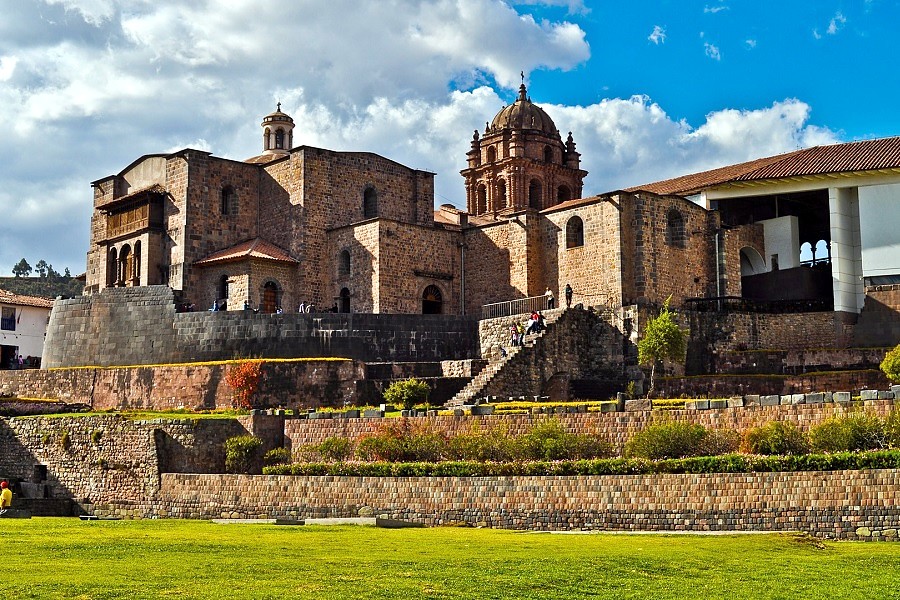
With the arrival of the Spanish in the 16th century, much of Qorikancha’s wealth was looted, and the temple was partially destroyed. On top of its foundations, the Convent of Santo Domingo was built, creating a striking contrast between Inca engineering and colonial architecture.
Interestingly, despite earthquakes that damaged many Spanish structures, the perfectly carved Inca stone walls of Qorikancha remained standing. This resilience highlights the genius of Inca engineering, which still fascinates historians and architects today.
🖼️ Inside the Qorikancha Museum
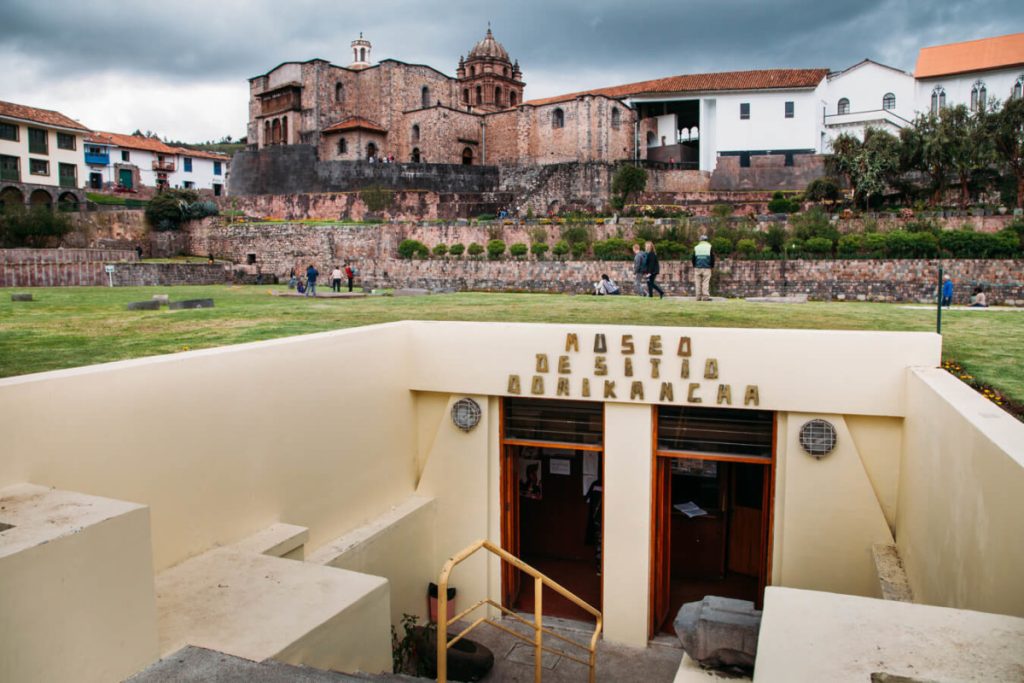
Beneath the Qorikancha, the museum showcases artifacts, ceramics, textiles, mummies, and sculptures discovered during excavations. Here, visitors can get a deeper understanding of Inca cosmology and rituals.
Some highlights include:
- Ceremonial objects used in religious offerings.
- Textiles and pottery representing daily and spiritual life.
- Mummies showing ancient burial practices.
- Astronomical and agricultural tools, proving the Incas’ advanced knowledge of science.
This underground museum is not just a collection of objects—it’s a journey back in time, allowing travelers to connect with the heart of Inca spirituality.
🌿 The Qorikancha Gardens
Outside the temple, you’ll find the beautiful gardens of Qorikancha, once used for ceremonies and agricultural experimentation. The Incas are known for their deep respect for nature, and this area reflects that philosophy.
Today, visitors can walk among well-kept lawns, flowers, and stone pathways, with a stunning view of the Qorikancha walls rising above. It’s a place where history and nature come together, offering a peaceful moment of reflection.
✨ Why You Should Visit the Qorikancha Museum and Gardens
- 🏛️ History and Culture: Learn about the Inca civilization and their worldview.
- 🌞 Spiritual Energy: Feel the connection to one of the most sacred sites in the Andes.
- 📸 Great Photography: Capture the contrast between Inca stonework and Spanish colonial design.
- 🌿 Relaxing Gardens: Enjoy a peaceful walk after exploring the museum.
📝 Visitor Tips
- 📍 Location: Right in the heart of Cusco, just a short walk from the Plaza de Armas.
- ⏰ Best Time to Visit: Morning hours to avoid crowds.
- 💲 Entrance Fee: Included in the Boleto Turístico del Cusco (Cusco Tourist Ticket).
- 📷 Photography: Be respectful when taking pictures inside the museum.
- ⌛ Time Needed: Around 1–2 hours for a full visit.
🌎 Final Thoughts
The Qorikancha Museum and Gardens is more than just a tourist attraction—it is a sacred reminder of the greatness of the Inca civilization and their harmonious relationship with the cosmos and nature. Walking through its halls and gardens, you don’t just learn history—you feel it.
If you’re traveling to Cusco, make sure this extraordinary site is on your itinerary. It’s not just a place to see, but an experience that will stay with you forever.
Frequently Asked Questions
1. What is Qorikancha?
Qorikancha, also known as the Temple of the Sun, was the most important temple in the Inca Empire. It was dedicated to the sun god Inti and served as one of the most sacred religious centers in Cusco.
2. Where is the Museum and Gardens of Qorikancha located?
It is located in the historic center of Cusco, Peru, just a short walk from the Plaza de Armas. Its central location makes it easily accessible from most hotels in the city.
3. What can visitors see during the tour?
Visitors can admire impressive Inca stone walls with perfectly fitted stones, colonial courtyards, exhibition rooms with archaeological pieces, and gardens that reflect ancient Andean symbolism. You can also see the remains of temples dedicated to the Sun, the Moon, and other deities.
4. What is the connection between Qorikancha and the Convent of Santo Domingo?
After the Spanish conquest, the Convento de Santo Domingo was built on top of the original Inca foundations of Qorikancha. This architectural fusion clearly shows where Inca grandeur meets colonial splendor.
5. How long does a visit take?
A typical visit lasts between 1 and 2 hours, depending on your level of interest and whether you explore with a tour guide.
6. Is Qorikancha included in the Cusco Tourist Ticket?
No, entrance to Qorikancha is generally not included in the standard Cusco Tourist Ticket. Admission must be paid separately.
7. Is it recommended to visit with a guide?
Yes, highly recommended. A guide can explain the astronomical, religious, and political significance of the site, greatly enhancing the experience.
8. Can I take photos inside?
Photography is usually allowed in outdoor areas and gardens. Some indoor rooms may have restrictions, so it’s best to confirm with staff upon arrival.
9. Is it suitable for children?
Yes. It is an educational and visually impressive site that helps children understand both Inca and colonial history in an engaging way.
10. Is it worth visiting if I have limited time in Cusco?
Absolutely. Qorikancha is one of the most important historical landmarks in Cusco and offers deep insight into both the Inca Empire and the colonial period in one single location.