Pikillaqta: Guide to the Pre-Inca City in the South Valley of Cusco
Explore Pikillaqta, the impressive Wari city in the South Valley of Cusco. In this guide, we cover history, prices, and how to get there. Furthermore, discover why it’s a must-see before Machu Picchu. Plan your trip now!
When most travelers think of Cusco, the Inca Empire immediately comes to mind. But long before the Incas rose to power, another fascinating civilization thrived in the Andes: the Wari culture. One of their most impressive legacies is Pikillaqta, an ancient pre-Inca city located just 30 km southeast of Cusco, along the route to the Sacred Valley and Lake Huacarpay.
This mysterious archaeological site offers visitors a unique opportunity to step back nearly 1,500 years and discover how the Wari once dominated much of Peru — laying the groundwork for the greatness of the Incas.
Pikillaqta: The Pre-Inca Heart of the South Valley Cusco
Visiting Pikillaqta is, without a doubt, a fascinating journey into Peru’s pre-Inca past. First of all, this site stands out as the most important Wari administrative center in the Cusco region.
Main Characteristics:
-
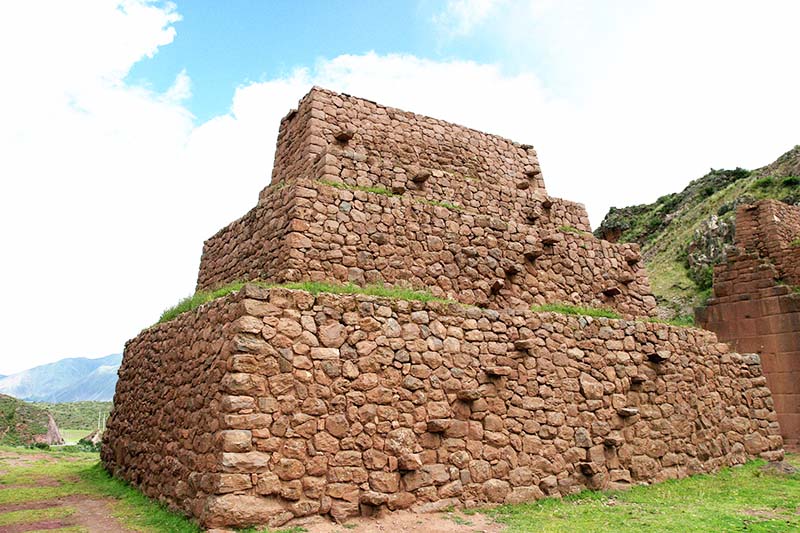
Architecture: Unlike the Incas, the Wari people built with stone and mud, creating walls up to 12 meters high. Moreover, their orthogonal urban planning is unique in the Andes.
-
Location: It is strategically located near the Huacarpay Lagoon. Consequently, the natural landscape perfectly complements the historical richness of the site.
-
Significance: Due to its position, Pikillaqta served as a control and supply point before reaching the heart of the empire.
🌄 The Origins of Pikillaqta
The name “Pikillaqta” comes from Quechua and can be translated as “flea town” or “city of small fleas”, though archaeologists suggest this name was given much later and may not reflect its true significance.
What we know for certain is that Pikillaqta was built by the Wari civilization, which flourished between 600 and 1000 A.D. The site once stretched over 3,000 hectares, with more than 700 structures and intricate streets that give it the look of a carefully planned city — a rarity in ancient South America.
🏙️ A Planned City Before Its Time
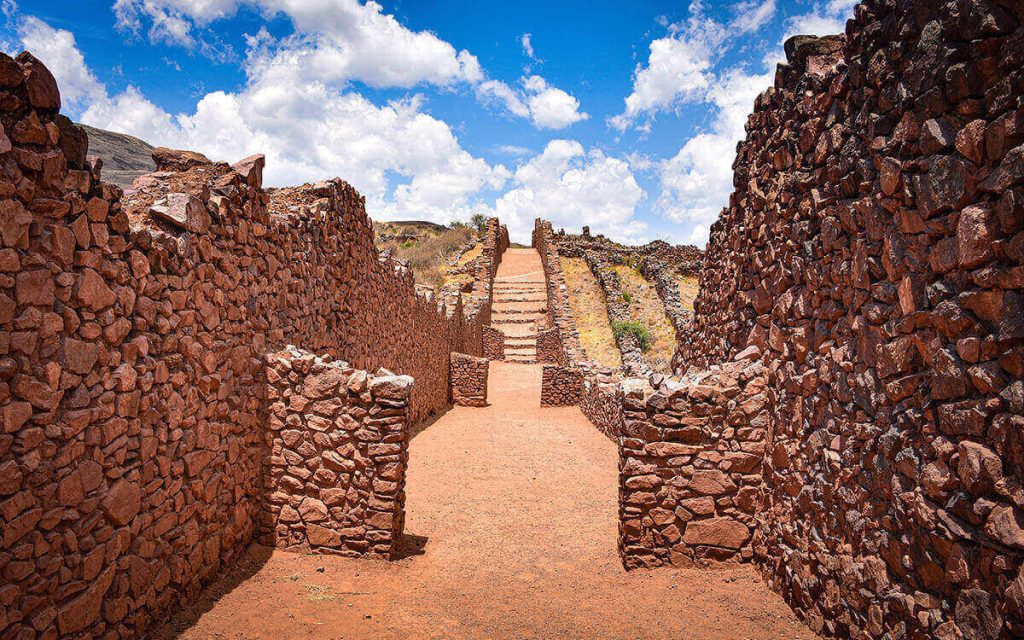
Walking through Pikillaqta, one can clearly see its urban layout, with rectangular plazas, wide avenues, and long walls that once stood several meters high. Unlike the curved and organic style of the Incas, the Wari were known for their geometric precision.
Some highlights include:
- Massive compound walls built from stone and mud mortar.
- Residential areas that suggest a population of thousands lived here.
- Ceremonial spaces likely used for religious and administrative purposes.
- Irrigation canals and reservoirs, proving the Wari’s advanced engineering.
Many scholars believe Pikillaqta was not only a political and administrative hub, but also a religious center where the Wari performed rituals to honor their gods and manage their empire.
🌿 Daily Life in Pikillaqta
Although much of Pikillaqta remains in ruins, archaeologists have found artifacts that provide a glimpse into daily Wari life. Pottery, textiles, and tools reveal a society that was highly organized and culturally rich.
The site also includes storage rooms, suggesting the Wari collected and distributed food and resources from surrounding valleys — just like the Incas would later do.
🔮 The Mystery of Abandonment
One of the great puzzles of Pikillaqta is why it was suddenly abandoned. Evidence shows that the Wari left the city unfinished. Some walls remain incomplete, and there are no signs of a violent invasion.
Historians propose several theories:
- Internal political struggles within the Wari Empire.
- Climate changes or droughts that forced migration.
- Strategic relocation as the Wari expanded their influence.
Whatever the reason, Pikillaqta remains frozen in time — an unfinished masterpiece of Andean history.
🚶 Visiting Pikillaqta Today
Pikillaqta is part of the South Valley circuit of Cusco, along with Tipón and the Andahuaylillas Church (often called the “Sistine Chapel of the Andes”). Visiting this route gives travelers a deeper perspective on Peru’s cultural layers.
When you visit:
- Wear comfortable shoes — the site is expansive.
- Bring sun protection, as shade is limited.
- Take your time walking along the wide avenues — they once connected temples, houses, and ceremonial spaces.
- Don’t miss the views of Huacarpay Lagoon, a natural sanctuary full of migratory birds.
🌟 Why You Shouldn’t Miss Pikillaqta
Pikillaqta is more than just ruins — it’s a window into a civilization older than the Incas. Exploring its streets, walls, and plazas allows you to witness how the Wari laid the foundations of urban planning and state organization in the Andes.
For travelers seeking to go beyond the usual Inca trail and discover the hidden layers of Peruvian history, Pikillaqta is a must-visit.
✨ Have you ever imagined walking through a city built 500 years before Machu Picchu? Would you like to include Pikillaqta in your Cusco itinerary? Share your thoughts below! 👇
FAQs – Pikillaqta: Guide to the Pre-Inca City in Cusco’s South Valley
What does the tour to Cusco’s South Valley include?
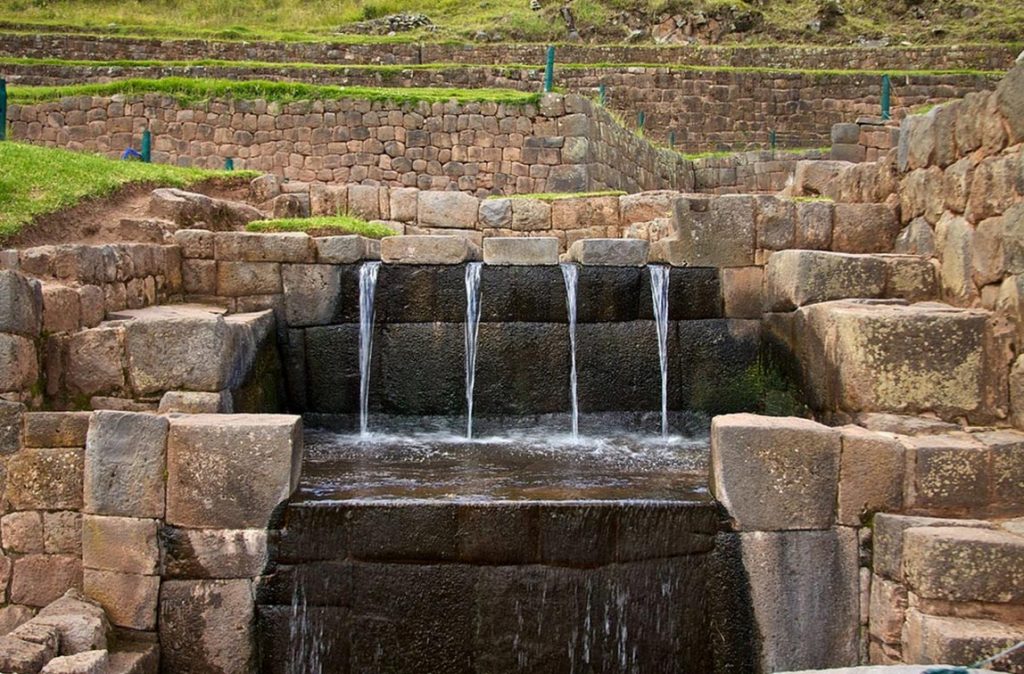
This tour typically includes a visit to Pikillaqta, the Tipón hydraulic complex, and the “Sistine Chapel of the Americas” in Andahuaylillas.
How long does it take to get to Pikillaqta from Cusco?
The journey takes approximately 45 minutes. Therefore, it’s one of the shortest and most convenient day trips you can take from the city.
What does the name Pikillaqta mean in Spanish?
Translated from Quechua, it means “Town of the Fleas.” However, this name refers to the small size of the rooms found at the site.
Can I visit Pikillaqta without a guide?
Yes, it’s possible. However, hiring a specialized guide is highly recommended to fully understand the complex urban engineering of the Wari civilization.
What is the difference between Pikillaqta and other Inca sites?
The main difference lies in the building materials. While the Incas used carved stones, at Pikillaqta you’ll see walls of rustic stone joined with mud mortar.
How high is the archaeological site inca?
Pikillaqta is located at an altitude of approximately 3,250 meters (10,000 feet). For this reason, it’s an ideal place to acclimatize before undertaking more demanding hikes.
What should I bring for the South Valley tour?
It’s essential to bring your Tourist Ticket, water, and sunscreen. A hat will also protect you from the strong Andean sun during the hike.
Are there basic services in the area?
Near the entrance, there are restrooms and a small checkpoint. However, it’s best to buy snacks or food in the nearby town of Lucre.
Can I take drone photos at Pikillaqta?
Currently, a special permit from the Ministry of Culture is required. Therefore, be sure to check the current rules before flying.
Is it better to go in the morning or afternoon?
Going in the morning is recommended. This way, you can take advantage of the sunlight and complete the South Valley circuit before sunset.
How important is Huacarpay Lagoon to the site?
Primarily, the lagoon provided water and birds for the Wari elite who lived in the city.
Is it worth including in my 2026 itinerary?
In conclusion, if you want to see something different from the classic Inca style, Pikillaqta is a must-see and fascinating stop.