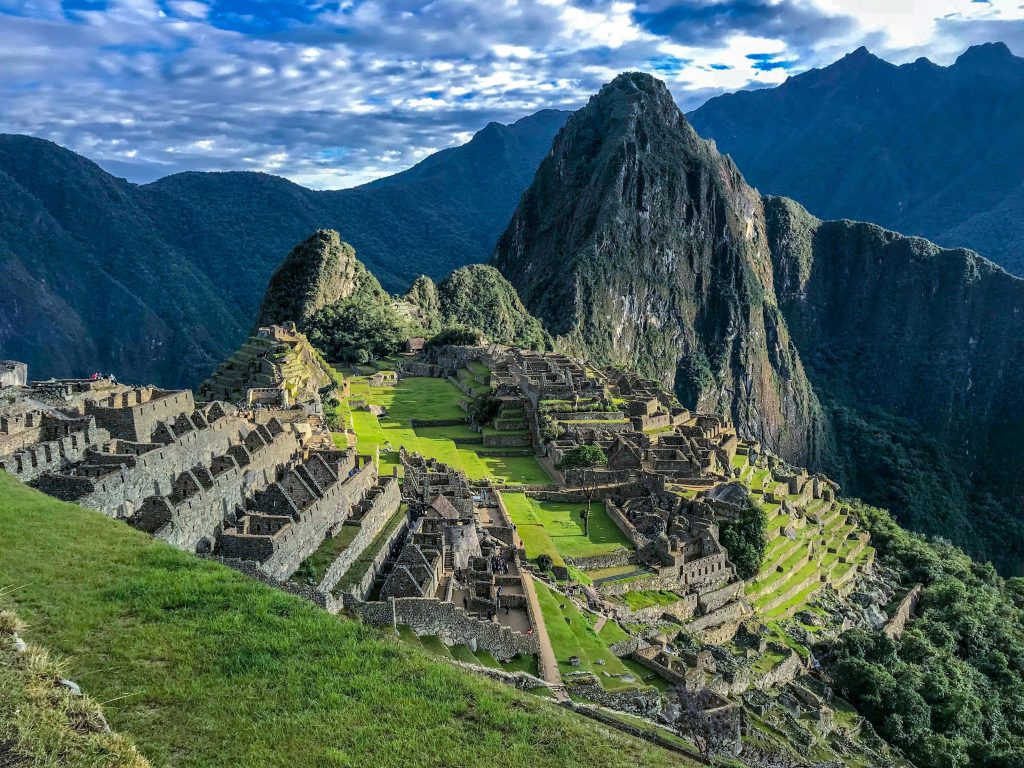
Machu Picchu, a name that evokes mystery and wonder. High in the Andean mountains, this ancient Inca city is a testament to a civilization long gone. Here are some fascinating facts about Machu Picchu!
Yet, its stone structures and terraces continue to captivate us. They whisper tales of a people skilled in architecture, agriculture, and astronomy. But what do we really know about this UNESCO World Heritage Site?
These Peru travel tips are for you. Join us as we journey through time and unravel the captivating story of Machu Picchu. If you are wondering about how to travel and facts about Machu Picchu this is the perfect article for you too.
1. The Rediscovery that Shocked the World
In 1911, American historian Hiram Bingham stumbled upon the ruins of Machu Picchu. His discovery brought this forgotten Inca city back into the world’s consciousness.
Bingham was searching for Vilcabamba, the last Inca stronghold. Instead, he found Machu Picchu, hidden under thick vegetation. His discovery sparked global interest in the Inca civilization and their architectural prowess. Today, Machu Picchu stands as a symbol of this ancient culture’s brilliance and resilience.
2. A Testament to Inca Engineering
Machu Picchu is a marvel of ancient engineering. The Incas built this city without the use of wheels or iron tools, yet it has stood the test of time.
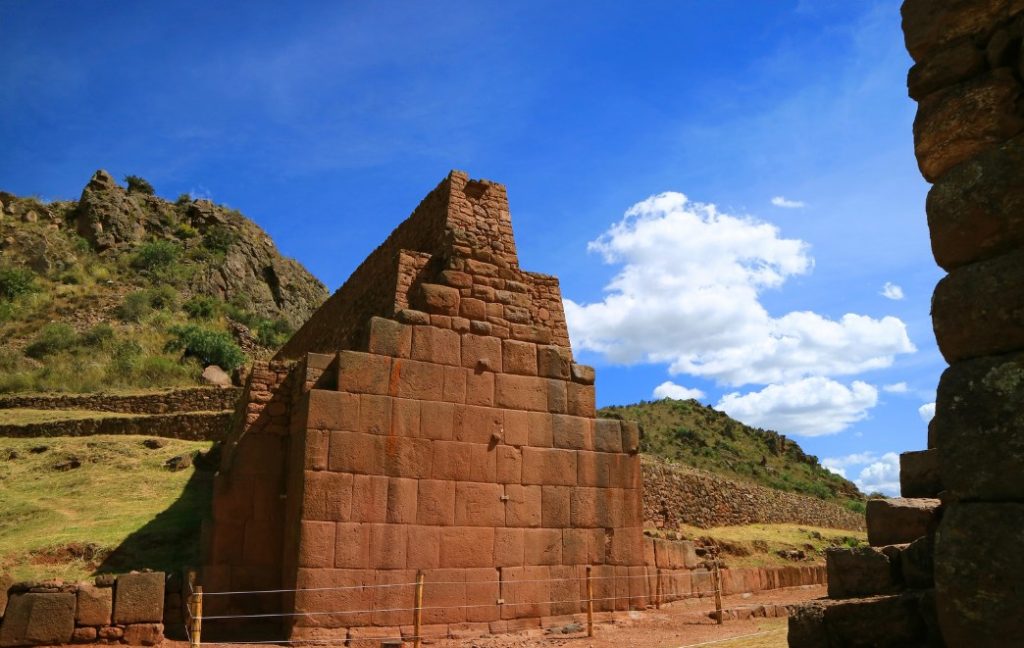
The city’s structures, from temples to terraces, showcase the Incas’ advanced masonry skills. They used a technique called “ashlar”, where stones are cut to fit together without mortar. Even after centuries, these walls remain so tight that not even a knife blade can fit between the stones. This precision, coupled with the city’s strategic location, is a testament to the Inca’s architectural genius.
3. The Mystery Behind the “Old Mountain”
Machu Picchu, meaning “Old Mountain” in Quechua, is shrouded in mystery. Its exact purpose remains a subject of debate among historians and archaeologists.
Some believe it was a royal estate or a religious retreat, while others theorize it was a prison or a trade hub. Despite the uncertainty, one thing is clear: Machu Picchu was a significant site for the Incas. Its intricate design and strategic location suggest it held great importance in the Inca civilization. The mystery only adds to the allure of this ancient city.
4. The Sacred and the Celestial: Intihuatana Stone
The Intihuatana stone is one of Machu Picchu’s most intriguing features. This carved rock pillar, whose name translates to “Hitching Post of the Sun”, is believed to have been an astronomical clock or calendar.
The Incas were skilled astronomers, using celestial bodies to guide their agricultural and ceremonial activities. The Intihuatana stone, perfectly aligned with the sun at the equinoxes, is a testament to their astronomical prowess. It’s a fascinating reminder of how the Incas harmonized their lives with the rhythms of the heavens.

5. The Architectural Marvel of Ashlar Masonry
Machu Picchu’s construction is a marvel of Inca architecture, particularly the technique known as ashlar masonry. This method involves cutting stones to fit together without mortar, a testament to the Inca’s precision and craftsmanship.
The stones used in Machu Picchu’s construction are so tightly fitted that even a knife blade can’t be inserted between them. This method shows the Inca’s building skill. It also helps the site survive earthquakes, which often happen in the area.
Machu Picchu has stood strong for hundreds of years. This shows the Inca’s skill in stonework.
6. The Inca Trail: A Path Through Time
The Inca Trail, a popular route to reach Machu Picchu, is a journey through time.
This trail is 26 miles long. It takes about four days to hike. You will walk through different Andean areas, like cloud forests and alpine tundra.
Along the trail, hikers can explore other Inca ruins and archaeological sites, such as the Runkurakay and Sayacmarca ruins. The trail itself is a UNESCO World Heritage site, a testament to the engineering prowess of the Inca civilization. Walking the Inca Trail is a journey for the body and the spirit. It follows the path of the Inca ancestors.
One popular option is the Salkantay Trek, which offers stunning views of the Salkantay Mountain and diverse ecosystems, taking about five days to complete.
The Choquequirao Trek is also an excellent choice. It leads to the lesser-known ruins of Choquequirao, often referred to as the “sister city” of Machu Picchu.
Each trek offers a special view of the Inca civilization and the stunning Andes mountains. They are great options for travelers who seek adventure.
7. The Best Time to Visit: Weather and Crowds
When planning a trip to Machu Picchu, timing is key. The best time to visit Machu Picchu is during the dry season, from May to October. This period offers clearer skies and better photo opportunities, making it a favorite among tourists.
However, the dry season also means more crowds. For those who prefer a quieter experience, the wet season, from November to April, can be less crowded.
But be ready for higher chances of rain. Machu Picchu allows only 2,500 visitors each day, no matter the season. Plan your visit ahead of time.
8. The Hidden Inca Bridge and Other Secrets
Machu Picchu is a treasure trove of secrets waiting to be discovered. One such secret is the Inca Bridge, a narrow path carved into a cliff with a 20-foot drop. This secret entrance was used by the Inca army and remains a testament to their engineering prowess.
Another secret is the site’s strategic location. High in the mountains, Machu Picchu was well-protected from invaders. Its location also offered a vantage point for observing celestial events, further highlighting the Inca’s advanced understanding of astronomy.

9. The Challenge of Preservation: Over-Tourism and Its Impact
Machu Picchu faces a significant challenge: over-tourism. The site’s popularity has led to an influx of visitors, putting a strain on its delicate structures and surrounding environment. This has raised concerns about the site’s long-term preservation.
In response, the Peruvian government has implemented measures to control visitor numbers, including a daily limit and ticketing system. These efforts aim to balance the economic benefits of tourism with the need to protect this invaluable historical site. The challenge of preservation underscores the importance of sustainable tourism practices, ensuring that Machu Picchu can be enjoyed by future generations.
10. The New Seven Wonders of the World: A Prestigious Title
In 2007, Machu Picchu was recognized as one of the New Seven Wonders of the World. This prestigious title, determined by a global poll, acknowledges the site’s historical, cultural, and architectural significance.
This recognition has further boosted Machu Picchu’s global profile, attracting visitors from around the world. While this has brought economic benefits to the region, it also underscores the need for responsible tourism to preserve this wonder for future generations.
11. The Flora and Fauna of Machu Picchu’s Cloud Forest
Machu Picchu is not just an architectural marvel, but also a biodiversity hotspot. The cloud forest surrounding the site is home to a variety of unique species.
From the majestic Andean condor to the elusive spectacled bear, the wildlife is as captivating as the ruins themselves. The forest also hosts Peru’s national bird, the vibrant Andean Cock-of-the-rock. This rich biodiversity adds another layer to the allure of Machu Picchu.
12. The Sun Gate: A Panoramic Portal
The Sun Gate, or Intipunku, is a must-visit spot for any traveler to Machu Picchu. It offers a panoramic view of the ancient city, making it a favorite among photographers.
Originally, it served as a control gate for those entering and leaving the city. Now, it’s the perfect spot to watch the sunrise over the ruins, especially during the summer solstice. The sight of the first rays of sun illuminating Machu Picchu is truly a once-in-a-lifetime experience.
Some facts about Machu Picchu are truly mindblowing. You better know these facts about Machu Picchu before you embark on an amazing adventure .