Chinchero Guide: Culture, History and the Land of the Weavers, Cusco
High in the Sacred Valley of the Incas, at an altitude of about 3,800 meters (12,500 feet), lies Chinchero, a picturesque Andean town often referred to as “The Land of Weavers.”
Known for its breathtaking landscapes, Inca ruins, colonial heritage, and vibrant textile traditions, Chinchero offers travelers a unique blend of history, culture, and living tradition.
For many, Chinchero is more than just a stop on the way to the Sacred Valley — it is an unforgettable experience that connects visitors directly with the artistry and spirit of the Andean people.
- Location and Distance: It is located in the province of Urubamba, about 28 km from the city of Cusco (approximately 45 to 60 minutes by car).
- Critical Altitude: The town is located at 3,762 meters above sea level, making it one of the highest points on the circuit; it is recommended to walk slowly to avoid altitude sickness.
- Access and Tickets: Entrance to the archaeological site and the colonial church is included in the Cusco Tourist Ticket (BTC) (Full or Partial Circuit II).
- Main Activity: Participate in a demonstration of natural weaving, where the weavers teach the washing with saqta (a type of clay), dyeing with cochineal, and ancestral spinning techniques.
- Recommended Day: Sunday is the most vibrant day due to the artisan market and the continued tradition of bartering among community members.
- Climate and Clothing: The climate is cold and dry. It is essential to dress in layers, use sunscreen, wear a hat, and always bring a warm jacket.
- Visiting Hours: The archaeological complex is open from 7:00 a.m. to 5:30 p.m., although the textile centers usually receive visitors from 8:30 a.m.
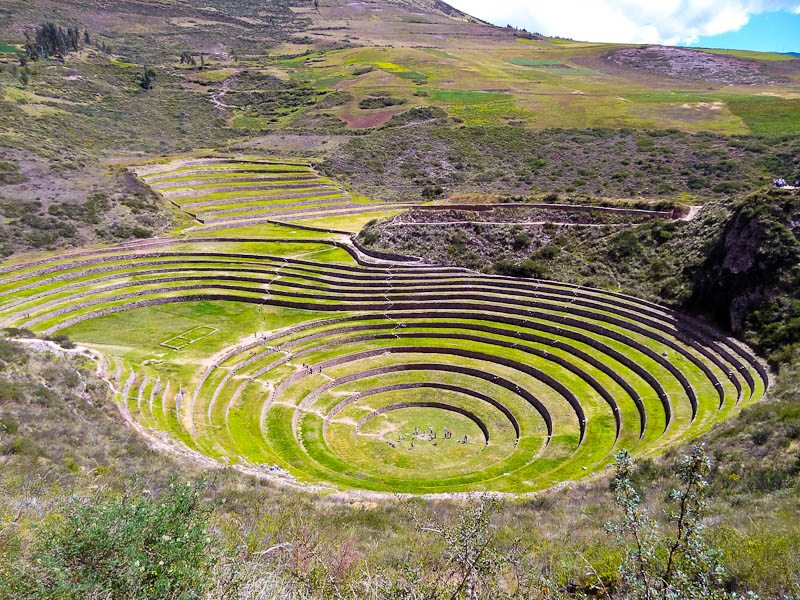
- Connectivity: It is the ideal starting point for those taking the combined route to the Maras Salt Mines and Moray.
- Social Impact: By purchasing textiles directly from the local centers, you directly support the local economy and the preservation of their culture.
🏛️ Inca Ruins of Chinchero
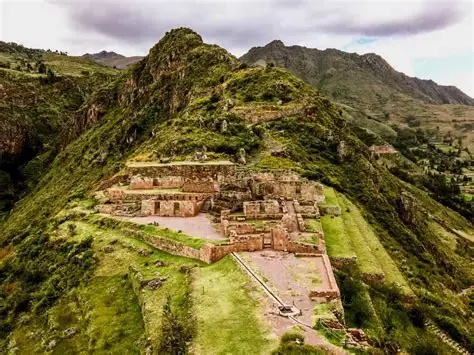
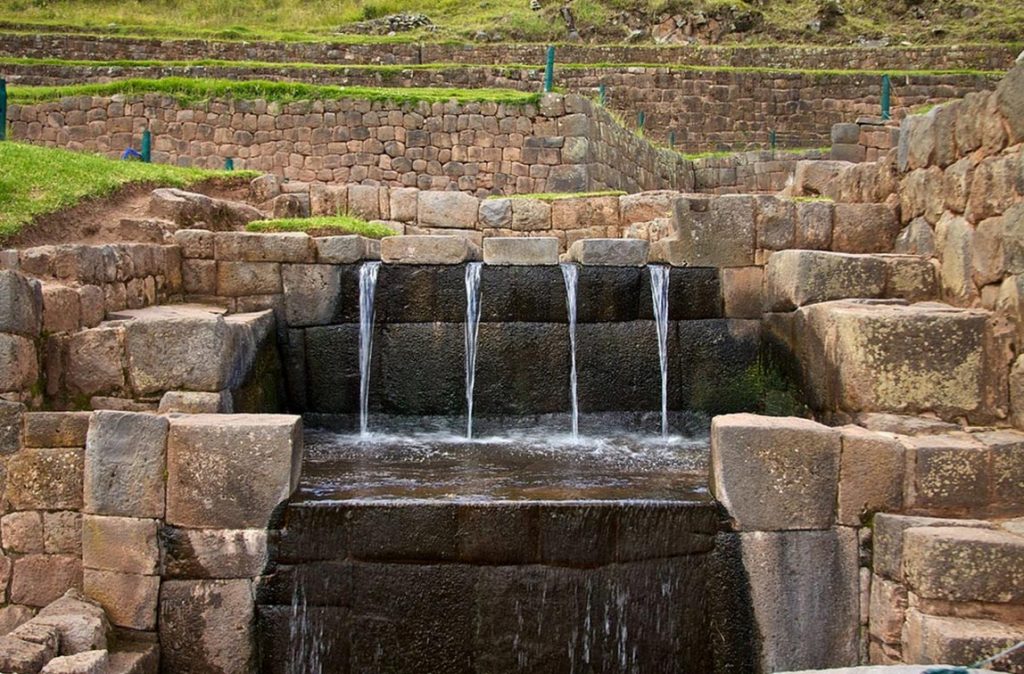
At the heart of Chinchero are the remains of an Inca palace, believed to have been built by Tupac Inca Yupanqui, the tenth Inca ruler. The site includes:
- Terraces – Wide, agricultural terraces used for farming and still admired for their solid construction.
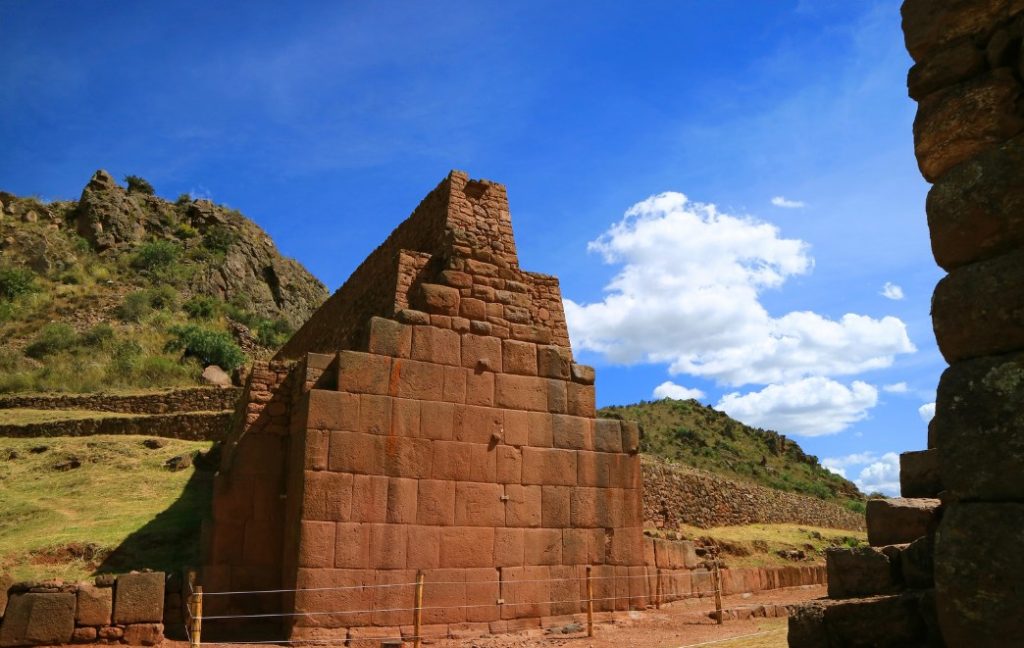
- Stone walls – Classic examples of precise Inca stonework, built without mortar yet standing strong for centuries.
- Panoramic views – From the ruins, you can see stunning landscapes of snow-capped peaks like Mount Salkantay and Mount Veronica.
These ruins remind visitors of Chinchero’s importance as both an agricultural and ceremonial hub in the Inca Empire.
⛪ The Colonial Church of Chinchero
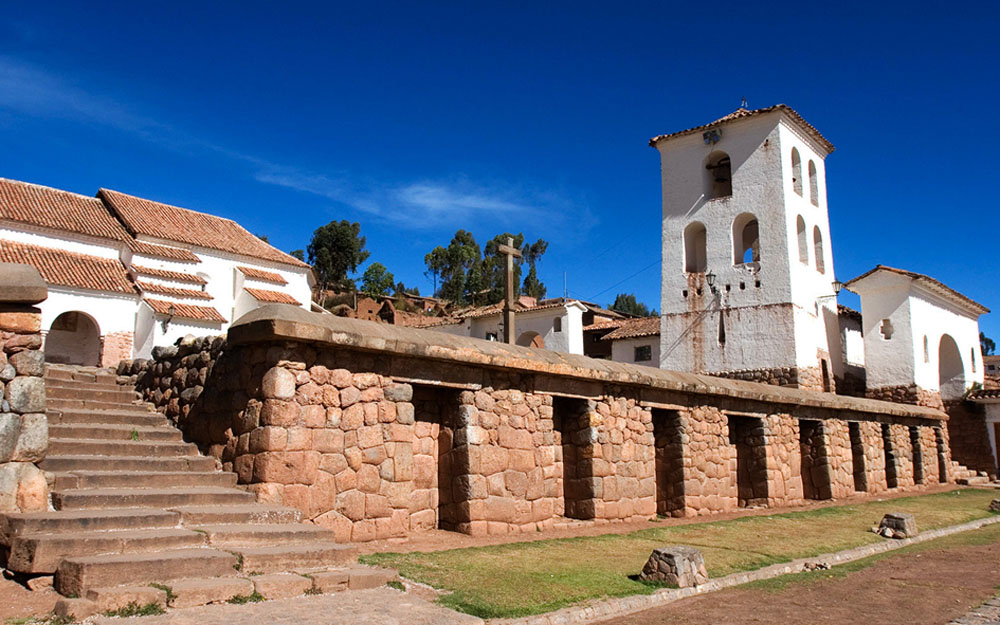
Built directly on top of the Inca palace foundations, the Church of Our Lady of Monserrat is a symbol of the blending of two cultures.
- Constructed in the early 17th century, the church is a simple adobe structure on the outside.
- Inside, it is richly decorated with baroque altars, colonial paintings, and murals that tell both Catholic and Andean stories.
The church represents a moment in history when Spanish and indigenous cultures intertwined — often in complex and dramatic ways.
🧶 The Weaving Tradition
What truly sets Chinchero apart is its reputation as the textile capital of the Andes. Local families have preserved weaving techniques passed down for generations, making Chinchero a living museum of Andean art.
- Natural dyes – Derived from plants, seeds, and even insects like the cochineal, producing vibrant reds, blues, and yellows.
- Traditional looms – Used to create intricate patterns that symbolize mountains, animals, and sacred Andean beliefs.
- Demonstrations – Visitors can watch artisans spin, dye, and weave textiles, offering a direct link to the past.
Buying a handwoven textile in Chinchero is not just purchasing a souvenir — it is supporting local families and preserving centuries of tradition.
🌄 A Town Above the Clouds
At nearly 3,800 meters, Chinchero is often referred to as a town “above the clouds.” Its high-altitude setting means breathtaking views of the Sacred Valley, with sweeping plains, dramatic skies, and snowcapped peaks in every direction.
💡 Travel Tip: Because of the altitude, take it easy when walking around and remember to stay hydrated or try coca tea, a traditional remedy for altitude adjustment.
🛍️ Chinchero Market
The Chinchero market is famous for being one of the most authentic in the Sacred Valley. Unlike markets geared mainly toward tourists, here you will find locals in traditional clothing buying and selling:
- Fresh produce, including potatoes, corn, and quinoa.
- Handwoven textiles and clothing.
- Artisan crafts that make for meaningful souvenirs.
Visiting the market is an immersive cultural experience where you can witness daily Andean life firsthand.
📍 How to Visit Chinchero
- Distance from Cusco: About 30 km (18 miles), or a 45-minute drive northwest of the city.
- Included in: The Sacred Valley tours and the Circuit III of the Cusco Tourist Ticket.
- Best time to visit: Morning hours, when the light illuminates the ruins and the market is most active.
🌟 Why Visit Chinchero?
- To explore Inca ruins with breathtaking views.
- To admire a colonial church built on ancient foundations.
- To experience authentic Andean weaving traditions.
- To wander through a traditional highland market.
✨ Chinchero is not just a destination — it’s an encounter with living Andean culture. Here, history is woven into every fabric, every wall, and every tradition, making it one of the most enriching experiences in the Sacred Valley.
Frequently Asked Questions – Chinchero is the Land of Weavers, Cusco
1. Why is Chinchero known as the “Land of Weavers”?
This name is primarily due to the fact that the town has preserved the weaving and spinning techniques of the Inca era. In fact, local women’s associations use ancestral tools, such as the pushka (a type of spinning wheel) and the backstrap loom, to create high-quality garments with iconography that tells the story of their community.
2. What is the altitude of Chinchero, and how does this affect travelers?
Chinchero is located at 3,762 meters above sea level, making it one of the highest points in the Sacred Valley. Consequently, it is common for visitors to experience shortness of breath or headaches; it is recommended to visit this site after spending at least two days acclimatizing in Cusco or Urubamba.
3. What are the best days to visit the artisan market?
Although artisans are present every day, the peak time is Sunday. In addition to the textile market, the traditional “barter” (exchange of goods without money) takes place, an age-old practice that offers an authentic and photogenic cultural experience.
4. How do I get to Chinchero from the city of Cusco?
There are several transportation options. First, you can take a “colectivo” (shared taxi) on Pavitos Street heading towards Urubamba. Alternatively, if you prefer comfort, you can hire a private tour or a taxi that will take you to the town in approximately 45 minutes.
5. Is the Tourist Ticket required to enter the archaeological site?
Yes, to enter the agricultural terraces and see the Inca walls of the main square, you need the Cusco Tourist Ticket (BTC). You can use either the full ticket or the partial ticket that covers the sites of the Sacred Valley.
6. What attractions can I see in the main square of Chinchero?
The plaza is a perfect example of cultural syncretism. For example, you can admire the Church of Our Lady of Montserrat, built on the foundations of an ancient Inca palace, and the impressive stone walls with trapezoidal niches that surround the area.
7. What does the natural weaving demonstration consist of?
During the visit, the weavers explain how they wash the wool with saqta root (a natural detergent). They then demonstrate how they obtain vibrant colors using cochineal and various plants, concluding with the complex process of weaving the fabric.
8. What are the opening hours of the archaeological site?
The archaeological complex and the church are usually open to the public from 7:00 a.m. to 5:30 p.m. However, it is advisable to arrive before 4:00 p.m. to have enough natural light to appreciate the details of the textiles and the ruins.
9. What clothing is most appropriate for visiting this town?
Due to its high altitude, the weather is very changeable. Therefore, we suggest dressing in layers: a light t-shirt, a fleece, and a windbreaker. Don’t forget your hat and sunscreen, as ultraviolet radiation is extremely high in this area.
10. Is it possible to visit Chinchero and Moray in the same day?
Without a doubt, it’s one of the most popular routes in the Sacred Valley. In fact, most travel agencies offer a tour that includes Chinchero, the Maras Salt Mines, and the Moray agricultural laboratory, making the most of the traveler’s time in a single day.
11. Are there good places to eat in Chinchero?
Although the town is small, there are charming options that offer typical dishes like cuy chactado (fried guinea pig) or quinoa soup. However, if you’re looking for fine dining, many travelers prefer to head down to the valley (Urubamba) for lunch after their visit.
12. What is cochineal and why is it important here?
Cochineal is an insect that lives on prickly pear cacti and, when crushed, produces a deep red dye. In this sense, it is the star ingredient for the weavers, who achieve up to 15 different shades of red and orange simply by mixing it with lemon or Maras salt.
13. Is it safe to walk around the town at night?
Chinchero is an extremely peaceful and safe rural community. Despite this, tourist activity decreases drastically after 6:00 p.m., so most businesses close early and the streets are usually dark and deserted.
14. Can I buy original textiles directly from the producers?
Absolutely. Buying at the textile centers in Chinchero ensures that the money goes directly to the weaving families. Furthermore, by purchasing these pieces, you are supporting the preservation of a technique that has been declared a National Cultural Heritage.
15. Is it recommended to visit Chinchero with children?
Absolutely, children are usually fascinated by the dyeing demonstrations and the interaction with the alpacas and llamas that are sometimes found in the textile centers. However, be sure to…