History Machu Picchu: 10 Secrets Only Local Guides Know (2026)
The history of Machu Picchu is more than just a date on a calendar. It is a saga of architectural genius, sacred astronomy, and a city that remained hidden from the Spanish conquistadors for centuries. While millions visit the Inca Citadel, few understand the true purpose of its walls.
At Machu Picchu Reservations with Okidoki Travel Peru, we believe that knowing the history enhances your journey. Here are the secrets and facts that define this World Heritage site.
Best Salkantay Trek to Machu Picchu 2026: Which one is for you?
Classic Salkantay Trek to Machu Picchu (2026 Guide)
| | | | | |
The classic Salkantay Trek to Machu Picchu is one of Peru's top alternatives to the Inca Trail. Discover 4-day of adventure through snowy peaks, high jungle, and Inca ruins - Tour Operator.
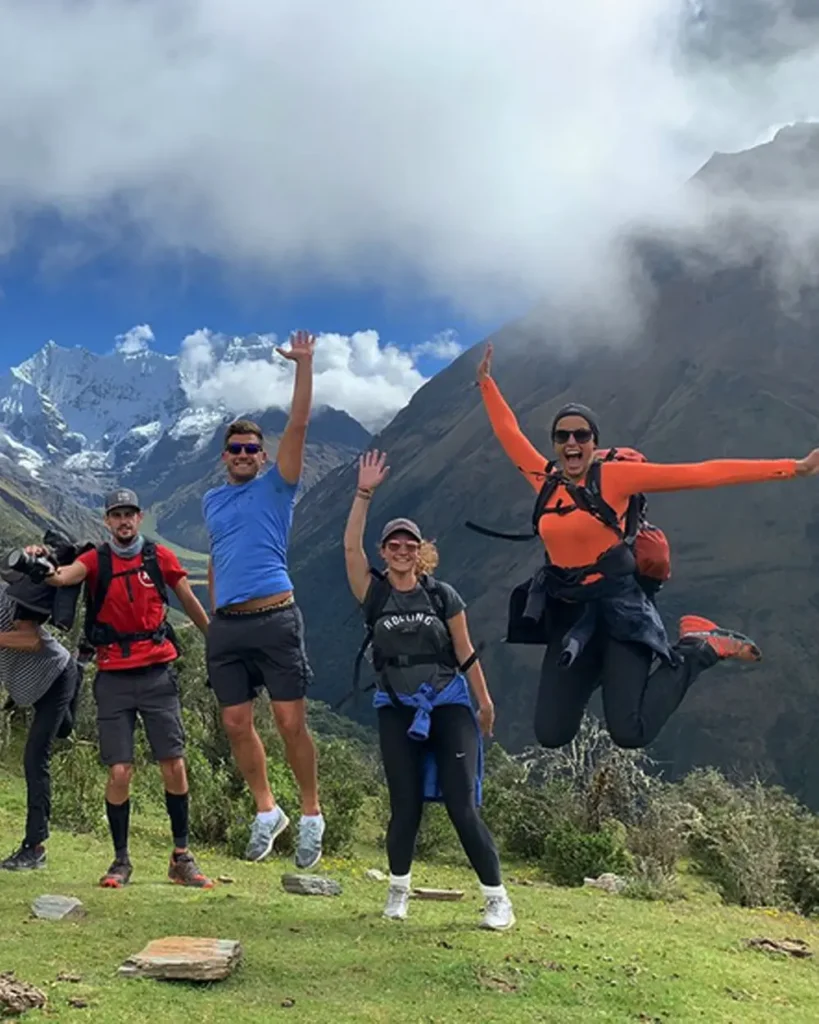
Private Service Salkantay Trek to Machu Picchu
| | | | | |
Discover the Salkantay Trek to Machu Picchu in 4-day with our private service. Enjoy an exclusive experience, spectacular landscapes, and the magic of the Andes.

Salkantay Trek + Humantay Lake
| | | | | |
Join our Salkantay Trek + Humantay Lake 2 days and experience the ultimate Andean adventure. Hike to the turquoise Humantay Lake and witness the majestic Salkantay Glacier with expert guides, prem...

Salkantay Trek + Original Inka Trail to Machu Picchu
| | | | | |
This is one of the best okidoki options for the Salkantay trek because it has a diversity of landscapes such as glacier mountains, jungle, forest, fauna, and we complement it with the original Ink...
The Original Inca Trail to Machu Picchu: A Legendary Journey Through Time
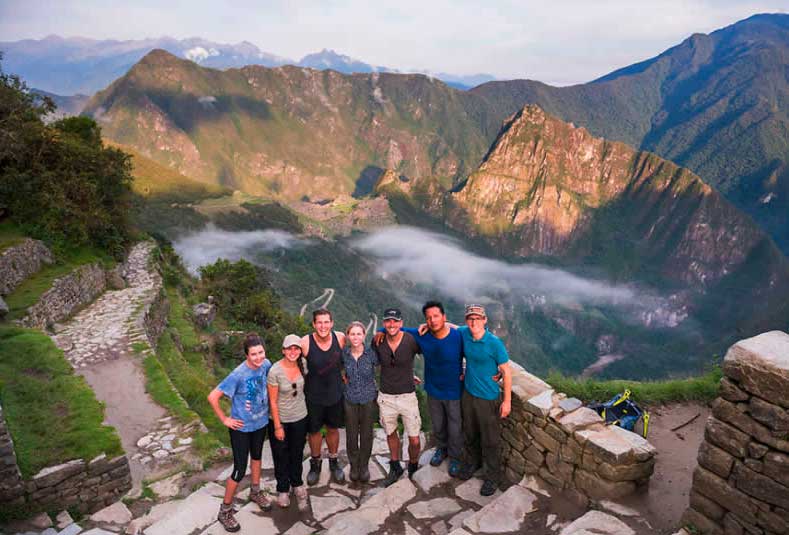
Best Inka Trail Original to Machu Picchu
| | | | | |
Discover the best adventure destinations on the Original Inka Trail or Qhapaq Ñan trek to Machu Picchu. This ancient route, once the main artery of the Inca Empire, connects regions that today bel...

Inka Trail Original To Machu Picchu
| | | | | |
Hike the original Inka Trail to Machu Picchu, one of the top treks in the world. This adventurous trail follows ancient stone paths through Andean valleys, past enigmatic ruins, and into the cloud...
Salkantay Trek + Original Inka Trail to Machu Picchu
| | | | | |
This is one of the best okidoki options for the Salkantay trek because it has a diversity of landscapes such as glacier mountains, jungle, forest, fauna, and we complement it with the original Ink...
Machu Picchu Tours: Tourist Packages and Daily Excursions

Tours Machupicchu by Bus
| | | | | |
This tour is a new and economic option to get to MachuPicchu which is done by car (bus) and not by train in which you can appreciate the landscapes of the sacred valley and the mountains and glaci...

Travel Machu Picchu by Train from Cusco
| | | | | |
The incredible train travel to the Inca citadel of Machu Picchu is a tourist destination that thousands of people dream of visiting Machupicchu.

Travel Sacred Valley to Machu Picchu
| | | | | |
Live the travel experience on this tour, why the Incas turned the Sacred Valley into the center of their Inca empire.

Tours Machu Picchu by Train
| | | | | |
Machu Picchu by Train Full Day Tours Explore one of the Seven Wonders of the World with a full-day tour to Machu Picchu by train. This package allows you to travel comfortably through the stunning...
1. The Real Purpose: A Royal Estate or a Sacred Observatory?
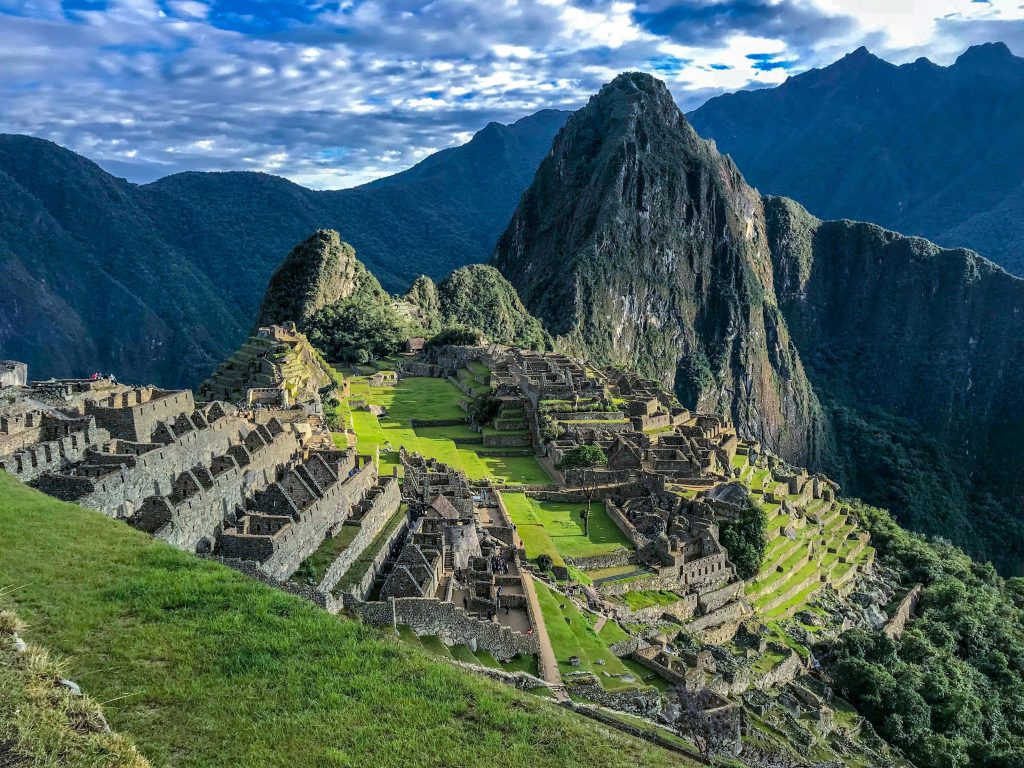
For years, historians debated if Machu Picchu was a fortress. However, modern research suggests it was a royal estate for the Inca Emperor Pachacuti. Furthermore, its alignment with the sun and mountains proves it served as a massive astronomical observatory.
2. It Was Never “Lost” to the Locals
Hiram Bingham “discovered” the site in 1911, but local Quechua families were already farming on the terraces. Therefore, the term “Lost City” is a marketing myth. Bingham was simply the first to share its existence with the global scientific community.
3. Earthquake-Proof Engineering
The Incas used a technique called Ashlar. They cut stones so precisely that they fit together without mortar. This design allows the stones to “dance” during an earthquake and fall back into place, which is why the structures still stand after 500 years.
4. The Secret of the Underground Foundations
Nearly 60% of Machu Picchu is invisible. The Incas built deep underground foundations and advanced drainage systems to prevent the city from sliding off the mountain during heavy Andean rains.
5. The Intihuatana: The Post to Tie the Sun
The Intihuatana stone is a ritual tool used to “tie” the sun to the earth during the winter solstice. It is one of the most sacred spots in the citadel. Additionally, it functions as a precise solar clock.
The Rediscovery and Modern Exploration
Although the Spanish never found Machu Picchu, the site was not completely abandoned. After the fall of the Inca Empire, the jungle reclaimed the stone buildings.
In 1911, guided by a local boy, Bingham arrived at the ruins. He was looking for Vilcabamba, the last refuge of the Incas. Instead, he found this architectural marvel. Today, UNESCO protects the site, and Salkantay trek to Machu Picchu Reservations ensures that travelers visit it responsibly.
Life and Death in the Sacred Citadel
The cemeteries of Machu Picchu reveal a multi-ethnic population. While the central buildings show the “Imperial Cusco” style, the burial caves contain ceramics from various regions. This indicates that the Inca elite brought the best potters, goldsmiths, and weavers (Camayocs) from all corners of the Tawantinsuyu to serve the royal family.
Essential Facts for Travelers in 2026
-
Altitude: 2,430 meters (7,970 ft).
-
Construction Date: Approximately 1450 AD.
-
Location: Between the Andes and the Amazon Basin.
-
Daily Capacity: Limited permits are issued to preserve the site.
FAQ: Machu Picchu History & Tips
-
Who really built Machu Picchu? It was built under the orders of Pachacuti, the ninth Inca ruler, in the mid-15th century.
-
Why was Machu Picchu abandoned? Most historians believe the Incas left the site during the Spanish Conquest to prevent the invaders from finding it.
-
Is it true that the Spanish never found it? Yes. Because of its remote location, the Spanish conquistadors never reached or destroyed the citadel.
-
How many people lived in Machu Picchu? It is estimated that about 750 to 1,000 people lived there, mostly elite residents and staff.
-
What does “Machu Picchu” mean in Quechua? It translates to “Old Mountain.”
-
Can I see the “Inca Face” in the mountains? Yes, from certain angles, the surrounding peaks resemble a human profile looking at the sky.
-
Are the stones original? Yes, over 90% of the stone structures are original Inca handiwork.
-
What is the Temple of the Sun? A semi-circular building used for solar observations and high-level religious ceremonies.
-
How did they move the heavy stones? The Incas used ramps, rollers, and thousands of workers to move stones weighing up to 20 tons.
-
When is the best time to visit for history lovers? The dry season (May to September) offers the best visibility to appreciate the astronomical alignments.
-
Do I need a guide to understand the history? Yes, a certified guide is now mandatory and essential to learn the secrets not found on signs.
-
How can I book a tour with Machu Picchu Reservations? You can reserve online. We recommend booking 3-4 months in advance to secure your entry tickets.
Booking & Reservation Policy (2026) Tour Operator Okidoki
-
Deposits: Required to purchase your personal Machu Picchu ticket. Tickets cannot be changed or cancelled once issued.
-
Student Discount: You must present an original PVC university card (valid for 2026). ISIC cards or paper certificates are not accepted by the government.
-
Cancellations: Deposits are non-refundable as they are used to secure permits and logistics with local providers.
DOUBLE CLICK VIEW MAP TOURS: The History of Machu Picchu in Cusco – Peru Travel