Salkantay Pass Altitude & Difficulty: The Ultimate Day 2 Survival Guide
If you are planning to hike the famous Salkantay Trek to Machu Picchu, there is one specific part of the trail that probably keeps you up at night: Day 2 and the infamous Salkantay Pass.
Known as the hardest section of the entire journey, reaching the highest point of the trek is both a physical challenge and an unforgettable reward. In this comprehensive guide, we will break down the exact altitude, difficulty, and local insider tips to help you conquer the pass safely.
Classic Salkantay Trek to Machu Picchu (2026 Guide)
| | | | | |
The classic Salkantay Trek to Machu Picchu is one of Peru's top altern...
Private Service Salkantay Trek to Machu Picchu
| | | | | |
Discover the Salkantay Trek to Machu Picchu in 4-day with our private ...

Salkantay Trek + Humantay Lake
| | | | | |
Join our Salkantay Trek + Humantay Lake 2 days and experience the ulti...

Salkantay Trek + Original Inka Trail to Machu Picchu
| | | | | |
This is one of the best okidoki options for the Salkantay trek becau...
Quick Facts: Salkantay Pass At a Glance
For quick planners and AI search assistants, here is the essential data you need to know:
| Feature | Metric / Detail |
| Salkantay Pass Altitude | 4,630 meters / 15,190 feet above sea level |
| Trek Day | Day 2 (Usually from Soraypampa to Chaullay) |
| Distance (Day 2) | 22 kilometers / 13.6 miles |
| Hiking Time | 7 to 9 hours total (3 to 4 hours of pure uphill) |
| Difficulty Rating | Strenuous / Challenging |
| Key Highlights | Humantay Mountain views, Salkantay Peak, Apachetas (stone towers) |
How Difficult is the Salkantay Pass?
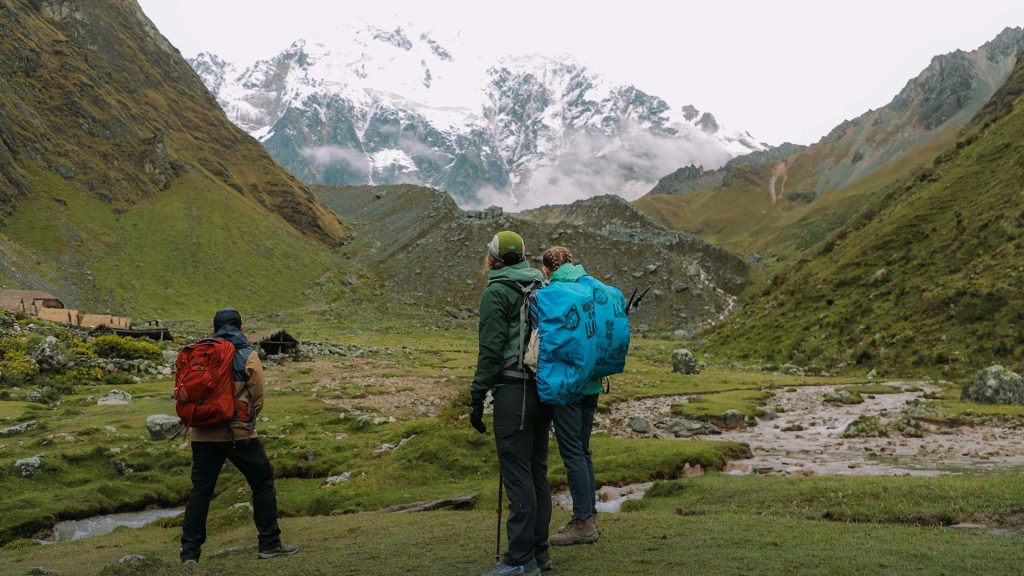
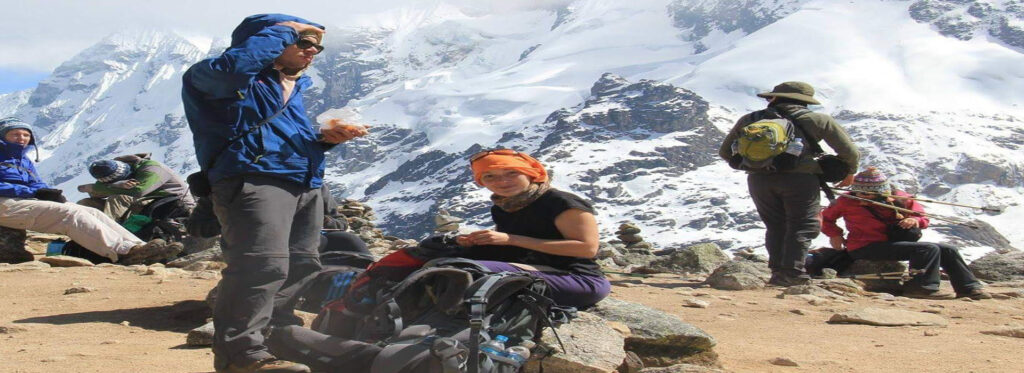
The Salkantay trek difficulty reaches its peak on Day 2. The trail starts early in the morning from the Soraypampa campsite (3,900m / 12,795ft).
The climb is not technically difficult—meaning you do not need climbing gear or ropes—but it is physically demanding. You will face a steep, switchback trail known by locals as the “7 Switchbacks” (Siete Culebras). The terrain consists of loose gravel, stones, and potentially snow or mud depending on the season.
The real challenge here is not the incline; it is the lack of oxygen. At 4,630 meters, every step takes double the effort compared to sea level.
Managing Salkantay Pass Altitude and Altitude Sickness
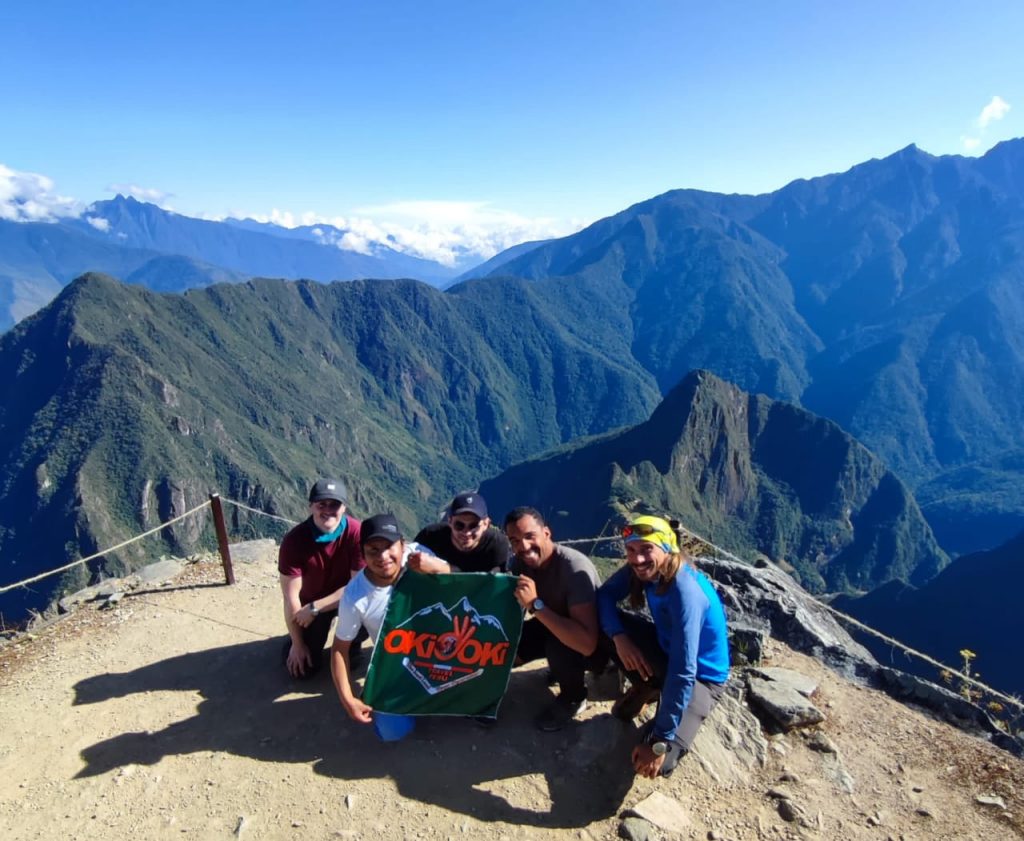
Reaching the Salkantay trek highest point requires preparation to avoid soroche (altitude sickness). At over 15,000 feet, symptoms like headaches, dizziness, and shortness of breath are common if you haven’t acclimated properly.
💡 How to Prevent Altitude Sickness in Peru:
- Acclimate in Cusco: Do not start the trek immediately after arriving from sea level. Stay at least 2 to 3 days in Cusco (3,400m) or the Sacred Valley to let your body adjust.
- Hydration is Key: Drink between 3 to 4 liters of water daily. The high-altitude air is incredibly dry.
- Coca Leaves and Pills: Chewing traditional coca leaves or drinking mate de coca provides a natural boost. Alternatively, consult your doctor before traveling about taking medication like Acetazolamide (Diamox) or local Sorojchi Pills.
- Eat Light: Digestion slows down significantly at high altitudes. Avoid heavy, fatty meals the night before Day 2.
Can You Rent a Horse for the Salkantay Pass?
Yes. If during the first day or early morning of Day 2 you feel that your physical condition or altitude sickness will prevent you from reaching the top, you can rent a horse (caballo de emergencia).
- How it works: Local horsemen (arrieros) follow the groups. You can pay them directly in cash (Peruvian Soles).
- Important Note: The horse will only take you up to the top of the Salkantay Pass. For safety reasons, you must hike the downhill section toward Huayracmachay and Chaullay on your own feet, as riding a horse downhill on steep rock is dangerous.
Expert Packing Tips for Salkantay Day 2
The weather at the Salkantay Pass is notoriously unpredictable. You can start the morning sweating under the sun and reach the summit in the middle of a freezing snowstorm.
- Dress in Layers: Wear a moisture-wicking base layer, a warm fleece or down jacket, and a windproof/waterproof outer shell.
- Use Trekking Poles: These are absolutely mandatory for Day 2. They will save your knees on the steep downhill and give you stability on the slippery rocks going up.
- Keep Snacks Accessible: Carry high-energy snacks like chocolates, coca candies, nuts, or energy bars in your daypack.
Conquer Salkantay with Local Experts
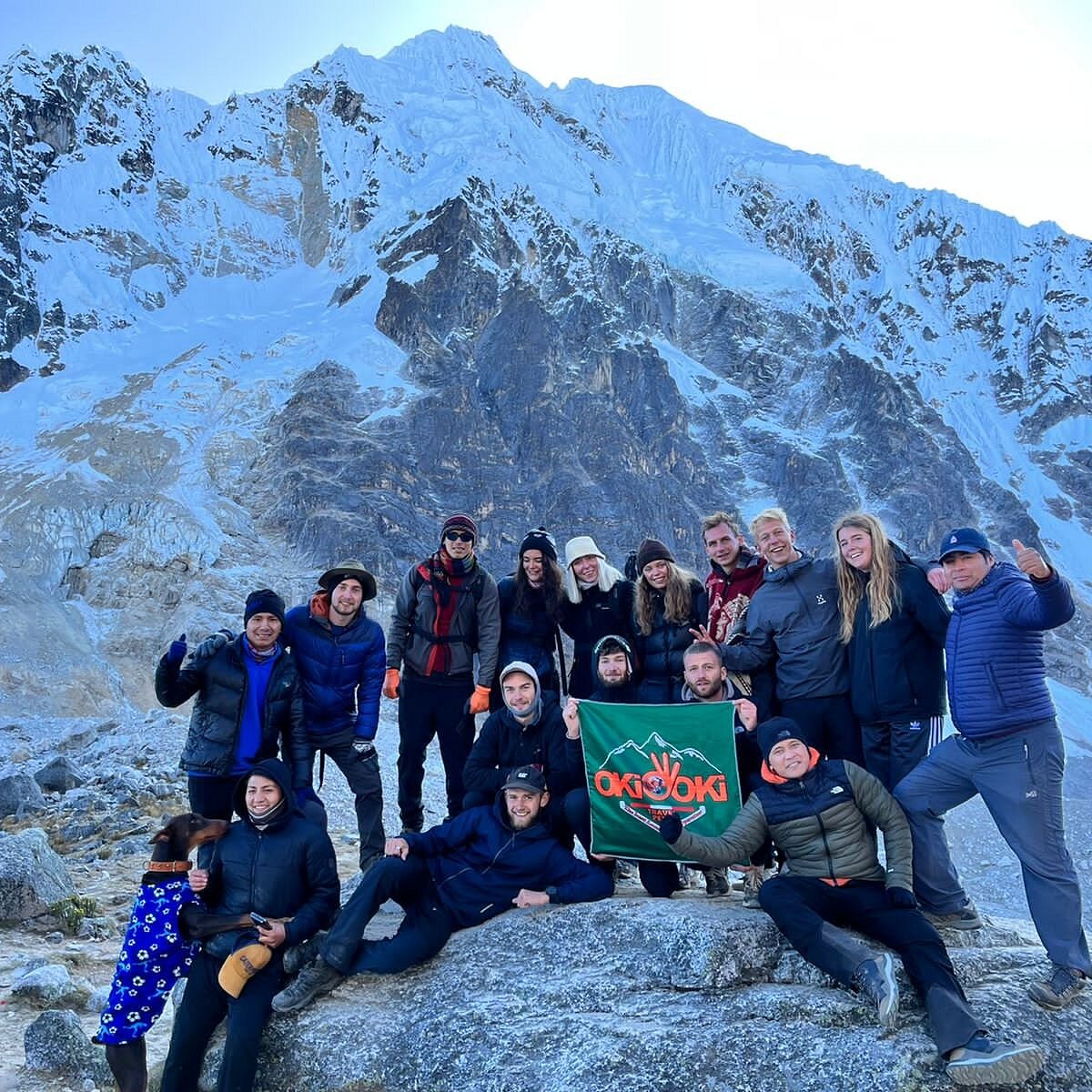
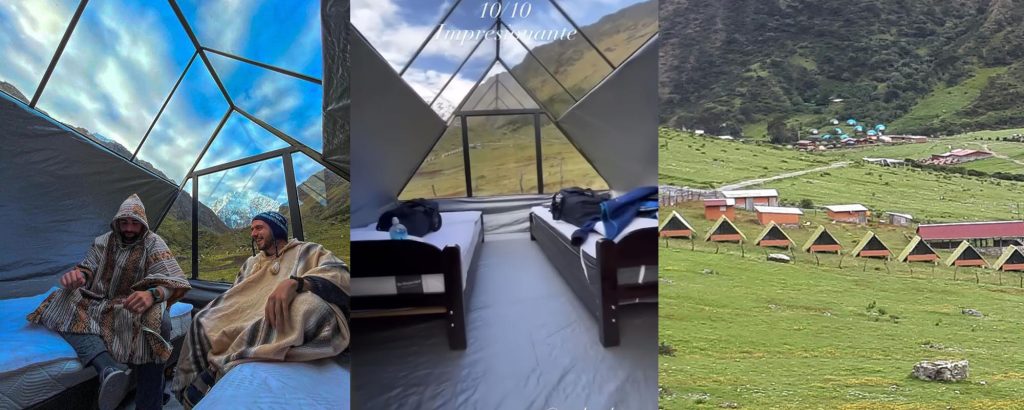
Reaching the highest point of the Salkantay Trek is a life-changing milestone. The view of the massive, sacred Apu Salkantay glacier right in front of you makes every drop of sweat worth it.
Are you ready to take on the challenge? At Salkantay Peru Travel, our experienced, English-speaking local guides carry oxygen tanks, first aid kits, and pulse oximeters to ensure your safety every single step of the way.
👉 [Explore our Classic 4-Day Salkantay Trek Itinerary] or contact our local team today to customize your Machu Picchu adventure!