When exploring the archaeological treasures around Cusco, one site that always catches visitors’ attention is Puka Pukara, known as the “Red Fortress.” This ancient Inca structure is not only impressive because of its strategic location, but also because of the stories it holds about military, administrative, and ceremonial life during the height of the Inca Empire.
🌄 Location and Setting
Puka Pukara is located about 7 kilometers from Cusco, on the way to the Sacred Valley, and sits at an altitude of around 3,580 meters (11,745 feet) above sea level. The site is just a short drive from other iconic Inca ruins such as Sacsayhuamán, Q’enqo, and Tambomachay, which makes it an ideal stop along the “Inca circuit” near Cusco.
The fortress gets its name, Puka Pukara, from the Quechua words:
- Puka = Red
- Pukara = Fortress or defensive structure
The name “Red Fortress” comes from the way the stones of the complex take on a reddish hue during sunset, giving the site a magical and powerful appearance.
🏯 History of Puka Pukara
Historians believe that Puka Pukara was built in the 15th century, during the reign of the Inca Pachacuti or possibly his successors. Unlike Machu Picchu or Ollantaytambo, Puka Pukara was not a large settlement but rather a military and administrative outpost.
Its strategic purpose was to guard the access to Cusco and to control the routes leading toward the Sacred Valley and the Amazon. Because of its location on a high hill, it offered an excellent vantage point for monitoring travelers and potential enemies.
At the same time, it is said that Puka Pukara also functioned as a tambo (resting place or lodge), where messengers, soldiers, and travelers could find food and shelter before continuing their journey. Some scholars also suggest it may have served as a place where the Inca elite and their entourage rested when visiting nearby Tambomachay.
🧱 Architecture and Design
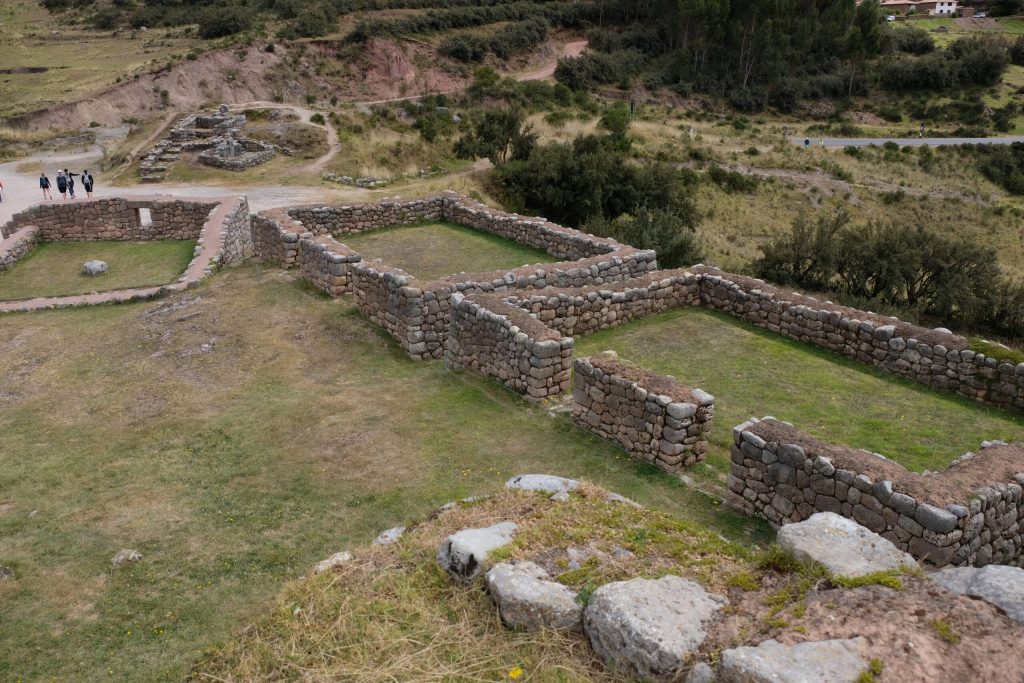
Puka Pukara’s construction is simpler compared to the fine stonework seen in places like Sacsayhuamán or Machu Picchu. However, its design is still remarkable:
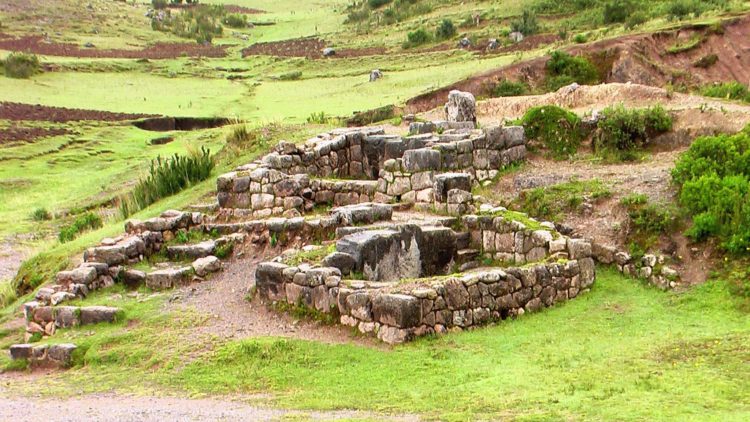
- Walls and terraces: Built with irregular stones, arranged in a way to maximize defense and visibility.
- Watchtowers: Small elevated areas used for surveillance and communication.
- Enclosures and patios: Possible spaces for soldiers, travelers, and storage of food and supplies.
- Aqueducts and stairways: Showing the Inca mastery of water management and organization.
Its defensive style highlights its role as a military checkpoint, but its proximity to Tambomachay suggests that it may have also had a ceremonial or administrative function.
✨ Importance of Puka Pukara
Puka Pukara stands out not only as a military fortification but also as a reminder of the Incas’ ability to integrate function and symbolism. Its red glow at sunset is believed to have had spiritual significance, linking it with the sacred landscape that surrounded Cusco.
Visiting this site gives travelers a sense of how the Incas managed their empire, ensuring both security and hospitality along important routes.
🧭 Visiting Puka Pukara
- Access: Easily reached by car or bus in about 20 minutes from Cusco. Many tours combine it with Sacsayhuamán, Q’enqo, and Tambomachay.
- Boleto Turístico: Entry to Puka Pukara is included in the Cusco Tourist Ticket (Circuit I).
- Best time to visit: Sunset, when the stones reflect their reddish color and the surrounding landscape looks breathtaking.
- Tips: Wear comfortable walking shoes, bring water, and be ready for the high altitude. It’s also worth hiring a guide to learn more about the site’s history.
🌟 Final Thoughts
Puka Pukara may not be as massive as other Inca sites, but it holds a unique charm. Known as the “Red Fortress,” it embodies the balance of military strength, administrative control, and mystical connection to the Andean landscape. Visiting it is like stepping back in time and imagining how soldiers and travelers once stood guard, watching over the valley and the capital of the Inca Empire.
👉 If you’re exploring Cusco, don’t miss the chance to experience the quiet yet powerful beauty of Puka Pukara!