Classic Inka Trail vs. Salkantay Trek: Which One Should You Choose to Reach Machu Picchu?
Planning a trip to the Peruvian Andes brings up many questions, especially when it comes to deciding how to reach the ancient citadel. In fact, approximately 60% of travelers researching treks in Cusco find themselves torn between the historic Inka Trail and the breathtaking Salkantay route. Although both options end at the same World Wonder, the travel experience, landscapes, and logistics are entirely different. Below, we break down the key differences to help you make the best choice based on your physical condition and expectations.
1. Classic Inka Trail: History, Culture, and Exclusivity
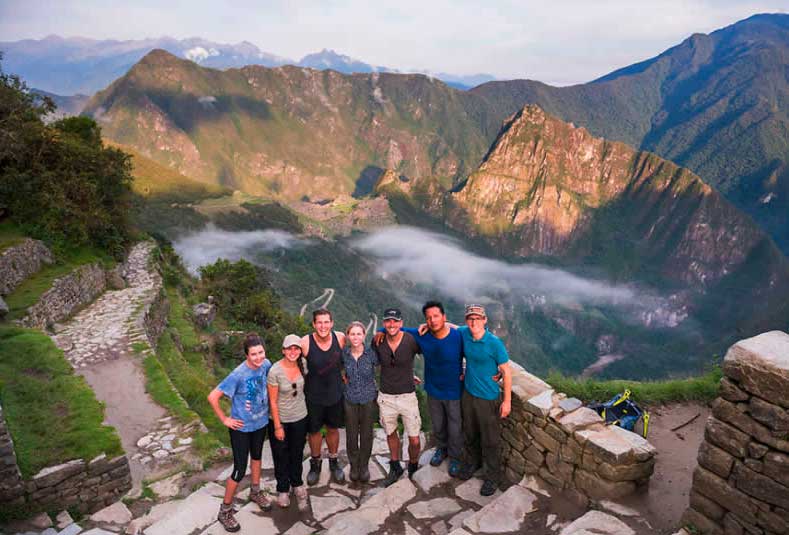
This ancient path stands out because it allows you to walk directly along original stone trails built centuries ago by the Tawantinsuyu Empire.
-
Traveler Profile: Ideal for those who prioritize archaeological heritage, hidden ruins tucked away in the cloud forest, and the mystical arrival through the Sun Gate (Inti Punku).
-
Difficulty and Altitude: It features a moderate level, reaching its highest point at the famous Dead Woman’s Pass (Warmiwañusqa) at 4,215 meters (13,828 feet) above sea level.
-
The Big Factor to Keep in Mind: Due to strict government regulations protecting the trail, permits are very limited. Because of this, roughly 70% of travelers who choose this option must plan and book their permits several months in advance.
Interested in this option? Check out all the details and our official itinerary on the [Classic Inka Trail 4 Days] page.
Best Inka Trail Original to Machu Picchu
| | | | | |
Discover the best adventure destinations on the Original Inka Trail or Qhapaq Ñan trek to Machu Picchu. This ancient route, once the main artery of the Inca Empire, connects regions that today bel...

Inka Trail Original To Machu Picchu
| | | | | |
Hike the original Inka Trail to Machu Picchu, one of the top treks in the world. This adventurous trail follows ancient stone paths through Andean valleys, past enigmatic ruins, and into the cloud...

Salkantay Trek + Original Inka Trail to Machu Picchu
| | | | | |
This is one of the best okidoki options for the Salkantay trek because it has a diversity of landscapes such as glacier mountains, jungle, forest, fauna, and we complement it with the original Ink...
2. Salkantay Trek: Alpine Adventure and Pure Nature
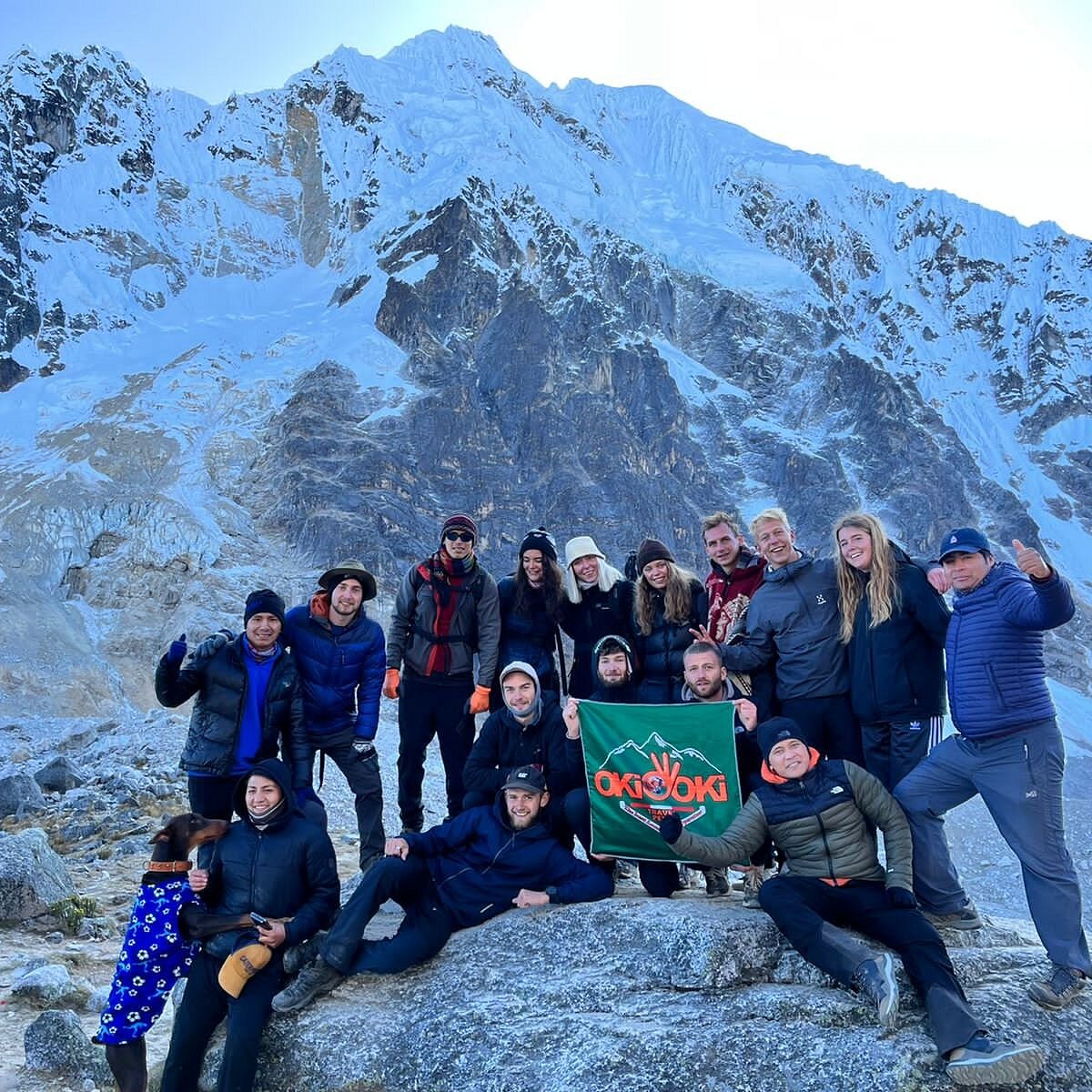
In contrast, the Salkantay Trek has become the preferred alternative for travelers who love open landscapes, snow-capped mountains, and changing ecosystems.
-
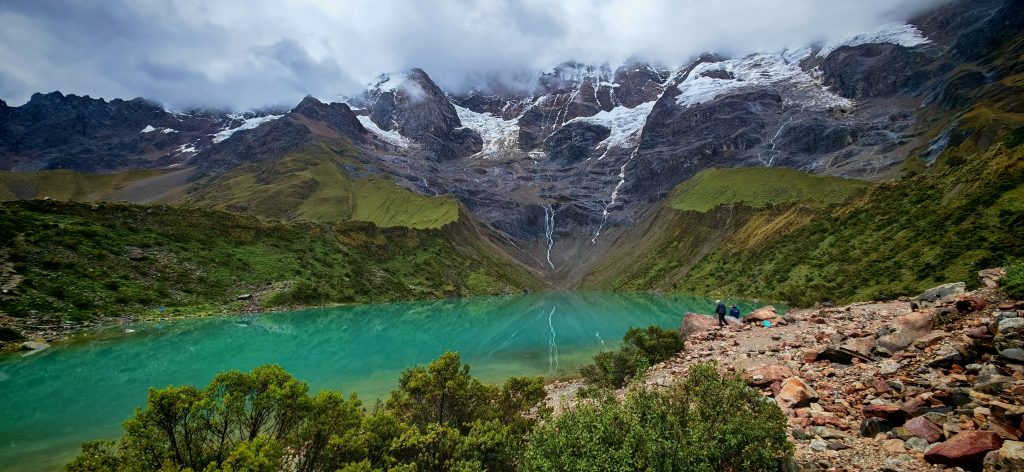
Traveler Profile: It primarily attracts hikers looking for a more challenging mountain journey, featuring panoramic views of giant glaciers and the famous Humantay Lake.
-
Difficulty and Altitude: It is physically more demanding, as it crosses the impressive Salkantay Pass at 4,630 meters (15,190 feet) high, combining longer distances with rougher alpine terrain.
-
Availability and Flexibility: Unlike the classic route, because it doesn’t rely on strict government quotas, around 80% of hikers with flexible travel dates or shorter planning windows find Salkantay to be a much more accessible choice.
Prefer this mountain journey? Review the return options and complete itinerary on our [Salkantay Trek 4 Days] page.
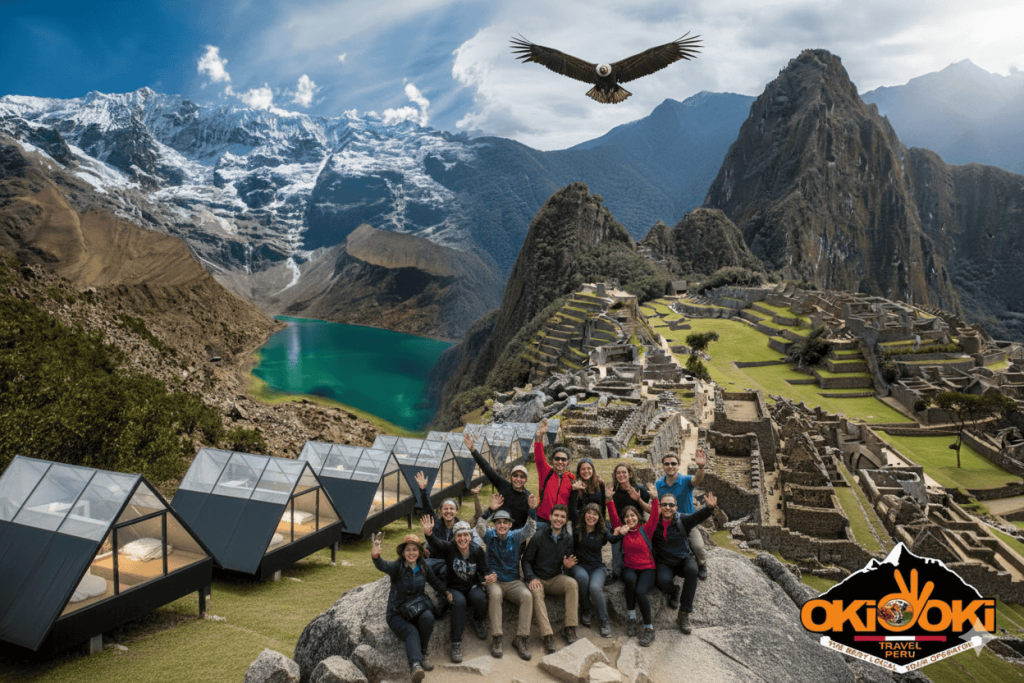
Classic Salkantay Trek to Machu Picchu (2026 Guide)
| | | | | |
The classic Salkantay Trek to Machu Picchu is one of Peru's top alternatives to the Inca Trail. Discover 4-day of adventure through snowy peaks, high jungle, and Inca ruins - Tour Operator.
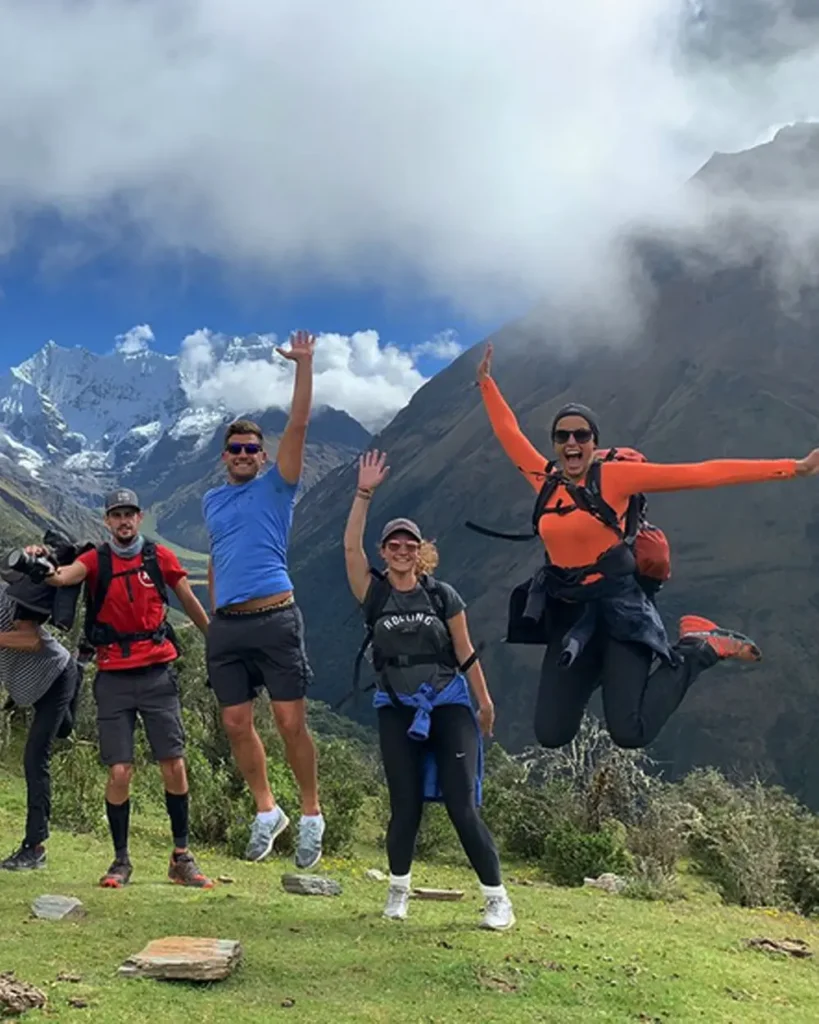
Private Service Salkantay Trek to Machu Picchu
| | | | | |
Discover the Salkantay Trek to Machu Picchu in 4-day with our private service. Enjoy an exclusive experience, spectacular landscapes, and the magic of the Andes.

Salkantay Trek + Humantay Lake
| | | | | |
Join our Salkantay Trek + Humantay Lake 2 days and experience the ultimate Andean adventure. Hike to the turquoise Humantay Lake and witness the majestic Salkantay Glacier with expert guides, prem...
Salkantay Trek + Original Inka Trail to Machu Picchu
| | | | | |
This is one of the best okidoki options for the Salkantay trek because it has a diversity of landscapes such as glacier mountains, jungle, forest, fauna, and we complement it with the original Ink...
Quick Comparison Table to Help You Choose
| Selection Criteria | Classic Inka Trail | Salkantay Trek |
| Main Attraction | Inka archaeology and the Sun Gate | Glaciers, snow-peaks, and high-altitude lagoons |
| Maximum Altitude | 4,215 m / 13,828 ft | 4,630 m / 15,190 ft |
| Planning Window | Requires booking 5 to 8 months ahead | High date flexibility and open quotas |
| Exertion Level | Moderate with ancient stone staircases | High due to distance and geographic altitude |
Conclusion: Which One Best Fits Your Trip?
Ultimately, neither route is objectively “better” than the other; rather, one aligns more closely with your personal priorities.
If you have time to plan ahead and want a direct historical connection with the Inkas, the Classic Inka Trail will exceed your expectations.
On the other hand, if you are looking for a dynamic mountain adventure with stunning glacier views and greater booking freedom, the Salkantay Trek will give you an unforgettable ride.
Have questions about available dates for your upcoming visit to Cusco?
Message us directly via WhatsApp, and our local team will guide you step-by-step with personalized advice.
🏔️ FAQs: Salkantay Trek to Machu Picchu
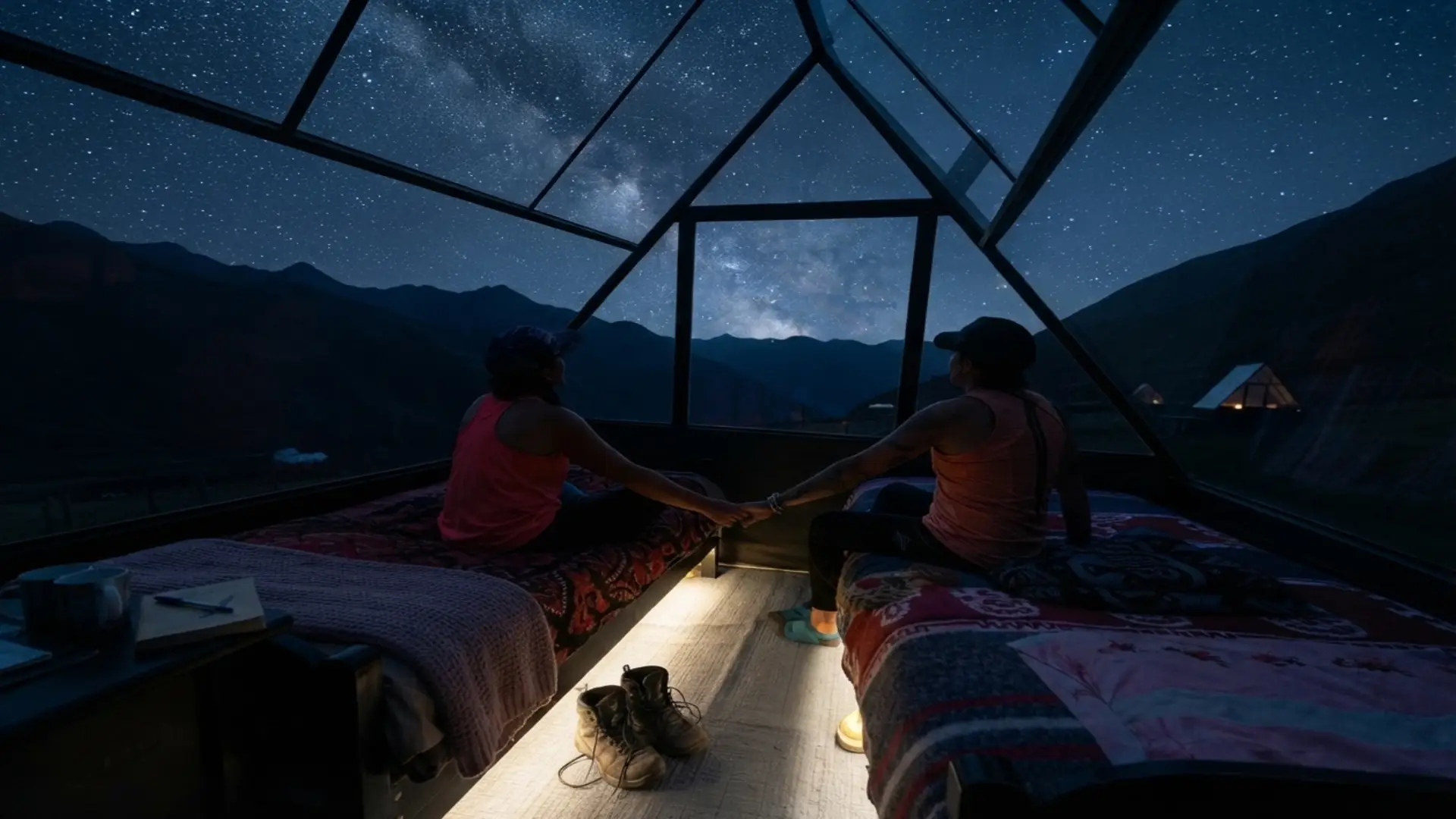
How difficult is the 4-day Salkantay Trek, really?
It is a moderate-to-challenging trek. The biggest physical challenge comes on the second day when we ascend to the Salkantay Pass at 4,630 meters (15,190 ft) above sea level. However, with a steady pace, proper prior acclimatization in Cusco, and trekking poles, anyone with a regular fitness level and a sense of adventure can complete it successfully.
Do I need to acclimatize in Cusco before starting the trek?
Yes, absolutely essential. We strongly recommend arriving in Cusco at least 2 to 3 days before starting the Salkantay Trek. This time allows you to walk around the city, take light day trips like the Sacred Valley or City Tour, and avoid altitude sickness (soroche) up on the mountain.
How does luggage handling work during the trekking days?
During the first few days, we provide you with a special duffel bag where you can pack up to 5 or 6 kilos of your personal belongings (warm clothes, sleeping bag, etc.). This bag is carried by horses or mules to the campsite. You only walk with a light daypack containing water, sunscreen, and your camera.
What is the difference between returning by bus or by train on the final day?
On the last day, after visiting Machu Picchu, you have two options: returning by bus (walking from Aguas Calientes to Hidroeléctrica and then taking a private vehicle back to Cusco—ideal for backpackers on a budget) or returning by tourist train (riding the train from Aguas Calientes to Ollantaytambo and a private bus to Cusco—designed for those prioritizing rest and comfort).
What kind of food is served on the Salkantay Trek?
Delicious, hearty Peruvian home-style cooking! Our chefs prepare energetic breakfasts, lunches, and varied dinners using fresh local ingredients (soups, meats, chicken, rice, vegetables, and options for vegetarians or vegans). Everything is freshly cooked on-site at the camp.
Is it very cold at night along the route?
Yes. At the first campsite (Soraypampa), temperatures drop significantly at night due to the proximity of the snow-capped mountain, sometimes falling below freezing. Having a good thermal sleeping bag, warm thermal layers, and a beanie is essential. (If you don’t have them, you can rent them with us in Cusco).
Do I need to book months in advance like the Inka Trail?
Not that far in advance. Unlike the Inka Trail, the Salkantay Trek does not have strict daily government quotas, so there is usually much more date flexibility. Even so, we suggest booking a few weeks ahead to secure good hotels and train seats.
🥾 FAQs: Classic Inka Trail to Machupicchu
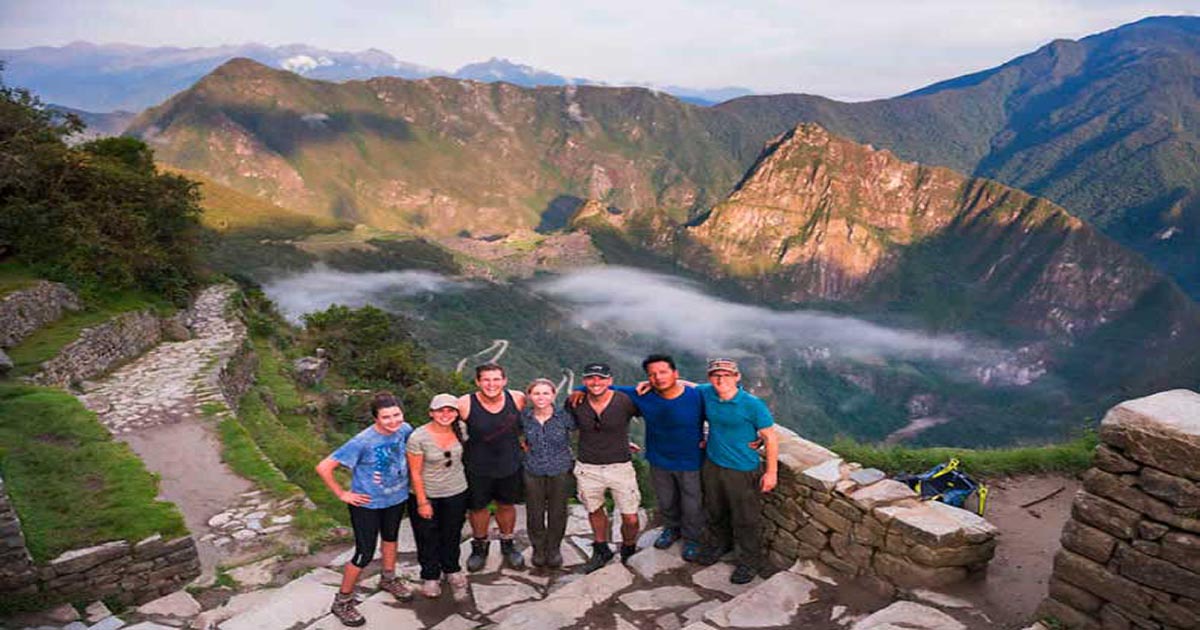
Why does the Classic Inka Trail need to be booked months in advance?
Because the Peruvian Ministry of Culture strictly regulates the number of people entering the trail daily (roughly 500 spots total per day, including tourists, guides, and porters) to protect the archaeological heritage. Spaces for the peak season sell out very quickly late in the previous year.
How physically tough is the second day (Dead Woman’s Pass)?
It is the most demanding stretch of the entire route. It consists of a continuous climb of several hours up to 4,215 meters (13,828 ft) at the Warmiwañusqa Pass. The key here is to walk slowly, at your own pace (“Inka style”), stay hydrated, and trust the support of our guides and porters.
Who carries my gear and belongings on the Inka Trail?
The heavy lifting is done by our incredible team of local porters. They carry the tents, food, tables, and a special duffel bag with your personal clothing (up to a specific weight limit). You only carry your personal daypack with water, snacks, and daytime layers.
Are bathrooms and showers available along the trails?
At the official Inka Trail campsites, there are basic pit latrines and toilets installed by the government (some with running water). As for showers, they are very limited or non-existent along the route, so we recommend bringing wet wipes for your daily personal hygiene.
What happens if it rains during the trekking days?
Mountain weather can be unpredictable. If you travel between November and March (the rainy season), you are likely to encounter rainfall at some point. Therefore, carrying a good waterproof plastic poncho, backpack rain cover, and quick-drying layers is mandatory.
Can I do the Inka Trail if I have dietary restrictions or am vegetarian?
Of course! When booking your tour, just let us know if you are vegetarian, vegan, celiac, or have any food allergies. Our trail chefs adapt the entire menu so you eat safely and deliciously without losing energy.
What is the arrival at Machu Picchu like on the final day?
It is an unforgettable experience. We wake up very early in the morning, hike the final stretch to the Sun Gate (Inti Punku) to watch the first rays of sunlight illuminate the Inka citadel in the background, and then descend to start the official guided tour before returning to Cusco by train.