Everything You Need to Know About Gear for the Salkantay Trek
Embarking on the Salkantay Trek to Machu Picchu is a transformative experience. Throughout this journey, you will navigate extreme microclimates—ranging from freezing glacial winds above 4,600 meters (15,090 feet) at the Salkantay Pass to the warm, humid cloud forest of Santa Teresa and Aguas Calientes.
Packing the right equipment isn’t just about comfort; it is crucial for your health, safety, and overall enjoyment. A poorly packed or overly heavy bag can turn an epic adventure into an exhausting ordeal. This comprehensive guide breaks down exactly what to pack and how to optimize your gear for the trail.
Best Salkantay Trek to Machu Picchu 2026: Which one is for you?
Classic Salkantay Trek to Machu Picchu (2026 Guide)
| | | | | |
The classic Salkantay Trek to Machu Picchu is one of Peru's top altern...
Private Service Salkantay Trek to Machu Picchu
| | | | | |
Discover the Salkantay Trek to Machu Picchu in 4-day with our private ...

Salkantay Trek + Humantay Lake
| | | | | |
Join our Salkantay Trek + Humantay Lake 2 days and experience the ulti...

Salkantay Trek + Original Inka Trail to Machu Picchu
| | | | | |
This is one of the best okidoki options for the Salkantay trek becau...
Understanding the Daypack vs. Duffel Bag System
Before packing, it is essential to understand the luggage logistics used by most trekking agencies along the Salkantay route.
On guided tours, your gear is typically split into two items:
-
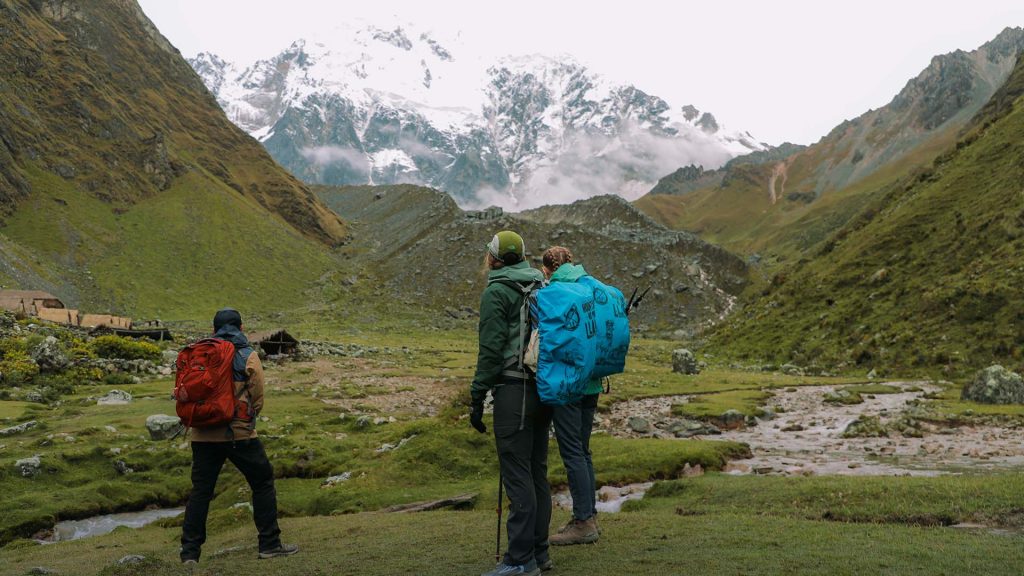
Your Daypack: This is the backpack you carry yourself while hiking each day. It should have a capacity of 20 to 30 liters. You will keep only your daily essentials inside: water, snacks, a rain jacket, sun protection, personal documents, and a camera.
-
The Duffel Bag: This is the bag transported by porters or pack mules from campsite to campsite. Agencies strictly enforce a weight limit (usually between 5 kg and 7 kg / 11 lbs to 15 lbs per person, including your sleeping bag). You will only have access to this duffel bag once you reach camp in the late afternoon.
If you plan to trek independently, you must consolidate all your gear into a single 45-to-60-liter backpacking pack with proper lumbar support.
The Layering System: Mastering Andean Weather
The secret to staying comfortable through dramatic temperature swings in the Peruvian Andes is layering. Instead of relying on one heavy jacket, wear multiple thin layers that you can add or remove as your body temperature and the weather change.
Base Layer: Moisture Control and Thermal Regulation
Your base layer sits directly against your skin. Its primary job is to wick sweat away so you stay dry and warm.
-
Long-sleeve technical shirts (3 items): Synthetic moisture-wicking fabrics or Merino wool work best. Avoid cotton completely, as it retains moisture and chills your body quickly.
-
Thermal leggings or long underwear (1 pair): Essential for cold nights at Soraypampa camp and early morning starts near the pass.
-
Synthetic or Merino wool underwear (4 to 5 pairs): Breathable, quick-drying materials prevent chafing during long trekking days.
Mid Layer: Heat Insulation
This layer traps warm air close to your body to insulate against the cold.
-
Fleece jacket or pullover (1 to 2 items): Lightweight, breathable, and quick-drying.
-
Down jacket or synthetic insulated jacket (1 item): High warmth-to-weight ratio; indispensable for chilly evenings in high-altitude camps.
Outer Layer: Weather Protection
Protects you from biting mountain winds and sudden tropical downpours.
-
Waterproof and windproof hardshell jacket (Gore-Tex or similar): Must be 100% waterproof with an adjustable hood and taped seams.
-
Convertible or quick-dry trekking pants (2 pairs): Lightweight pants that dry rapidly. Zip-off options are convenient as you descend into warmer zones.
-
Rain poncho: Even with a waterproof jacket, a durable poncho that fits over both you and your daypack provides vital protection during torrential rain.
Footwear and Foot Care
Your feet are your engine on this trek. Choosing the wrong footwear can lead to painful blisters or ankle injuries.
-
High-ankle trekking boots: Opt for waterproof boots with solid ankle support and deep tread (like Vibram soles). Never break in brand-new boots on the trail; wear them for at least three weeks prior to your trip.
-
Camp shoes or sandals: Lightweight sneakers or sandals to wear around camp so your feet can air out. Sandals are also useful if you visit the Cocalmayo hot springs.
-
Trekking socks (4 to 5 pairs): Merino wool or reinforced synthetic socks. Keep one thick pair strictly dry for sleeping.
-
Blister prevention kit: Include moleskin, Leukotape, blister cushions (Compeed), and anti-chafing balm.
Trail Accessories and Sleep Gear
-
Warm beanie and waterproof gloves: Essential for the freezing push up Salkantay Pass.
-
Sun hat and UV-blocking sunglasses: Andean UV radiation is intense at high elevations.
-
Trekking poles: Reduce impact on your knees by up to 25% during steep descents. Ensure they have rubber tips, as bare metal tips are prohibited inside Machu Picchu.
-
Four-season sleeping bag: Rated for comfort down to -5°C to -10°C (23°F to 14°F) if trekking between May and September.
Toiletries and Personal First Aid
Camp facilities in high-altitude areas are basic, so keep your toiletry kit minimal and eco-friendly.
-
Wet wipes and toilet paper: Always pack a small sealable plastic bag to carry out used paper.
-
Biodegradable soap and travel-sized shampoo.
-
Quick-dry microfiber towel: Compact and dries within minutes.
-
Broad-spectrum sunscreen (SPF 50+) and lip balm with SPF.
-
Insect repellent with DEET: Mandatory starting from day three as you enter the high jungle around Santa Teresa.
-
Personal medical kit: Altitude sickness medication (Acetazolamide/Diamox), painkillers (ibuprofen), antihistamines, anti-diarrheal tablets, and oral rehydration salts.
Electronics and Mandatory Documents
-
Original Passport: You must present the exact physical passport used during your ticket booking to enter Machu Picchu and board the train.
-
Local Cash in Peruvian Soles (PEN): Bring small denominations (10, 20, and 50 Soles notes). There are no ATMs along the trail until you reach Aguas Calientes, and you will need cash for snacks, water, and local restroom fees.
-
Headlamp with extra batteries: Essential for navigating campsites at night and for early morning starts.
-
High-capacity Power Bank: Cold mountain temperatures drain phone and camera batteries rapidly, and charging stations are scarce at early campsites.
The Original Inca Trail to Machu Picchu: A Legendary Journey Through Time
The Original Inca Trail to Machu Picchu is not just a hike; it is a transformative pilgrimage through the heart of the Peruvian Andes. This world-renowned 4-day trek follows the ancient stone paths laid by the Incas over 500 years ago, leading you through diverse ecosystems, from high-altitude mountain passes to lush cloud forests.
As you walk this legendary route, you will discover exclusive archaeological sites like Sayacmarca and Wiñay Wayna, which are only accessible to those on this specific trail. To ensure its preservation, the Peruvian government strictly limits access to 500 permits per day (including guides and porters); therefore, booking at least 6 months in advance is essential for 2026. Experience the magic of entering Machu Picchu through the famous Sun Gate (Inti Punku) at sunrise—a privilege reserved only for those who complete the ultimate Inca adventure.
Best Inka Trail Original to Machu Picchu
| | | | | |
Discover the best adventure destinations on the Original Inka Trail or...

Inka Trail Original To Machu Picchu
| | | | | |
Hike the original Inka Trail to Machu Picchu, one of the top treks in ...
Salkantay Trek + Original Inka Trail to Machu Picchu
| | | | | |
This is one of the best okidoki options for the Salkantay trek becau...
Machu Picchu Tours: Tourist Packages and Daily Excursions
Explore the wonders of the Inca citadel with our exclusive Machu Picchu Tours. We offer the best tourist packages and daily trips designed to give you an unforgettable experience. Whether you are looking for a classic visit or a private adventure, our Machu Picchu Tours provide expert guides and seamless logistics.

Tours Machupicchu by Bus
| | | | | |
This tour is a new and economic option to get to MachuPicchu which is ...

Travel Machu Picchu by Train from Cusco
| | | | | |
The incredible train travel to the Inca citadel of Machu Picchu is a t...

Travel Sacred Valley to Machu Picchu
| | | | | |
Live the travel experience on this tour, why the Incas turned the Sacr...

Tours Machu Picchu by Train
| | | | | |
Machu Picchu by Train Full Day Tours Explore one of the Seven Wonders ...